

When it comes to the performance of tire flaps in wet conditions, it's a topic that holds significant importance for both vehicle owners and industry professionals. As a tire flap supplier, I've witnessed firsthand the diverse scenarios where tire flaps operate and the impact of wet conditions on their functionality.
Understanding the Basics of Tire Flaps
Tire flaps are essential components installed on vehicles, primarily to protect the tires from debris, road hazards, and to enhance overall safety. They are typically made from durable materials such as rubber or a combination of synthetic compounds, designed to withstand the rigors of daily use. In normal dry conditions, tire flaps perform their intended functions effectively, providing a shield between the tire and the external environment. However, when the roads are wet, a different set of challenges and considerations come into play.

Hydroplaning and Tire Flaps
One of the most critical issues in wet conditions is hydroplaning. Hydroplaning occurs when a layer of water builds up between the tire and the road surface, causing the tire to lose contact with the road and reducing traction. This can lead to a loss of control over the vehicle, increasing the risk of accidents. Tire flaps can play a role in mitigating the effects of hydroplaning, although their impact is somewhat indirect.
The design of tire flaps can help to disperse water that is kicked up by the tires. As the vehicle moves through wet roads, water is thrown up from the tires, and the tire flaps act as a barrier, redirecting the water away from the vehicle. This can reduce the amount of water that accumulates in front of the tires, potentially decreasing the likelihood of hydroplaning. However, it's important to note that tire flaps alone cannot prevent hydroplaning entirely. Proper tire tread depth, inflation, and vehicle speed are also crucial factors in preventing hydroplaning.
Traction and Grip
In wet conditions, maintaining traction and grip is essential for safe driving. Tire flaps can contribute to this by protecting the tires from water and debris that could otherwise interfere with the tire's contact with the road. When water and debris are allowed to accumulate on the tire surface, it can reduce the tire's ability to grip the road, leading to longer stopping distances and decreased control.
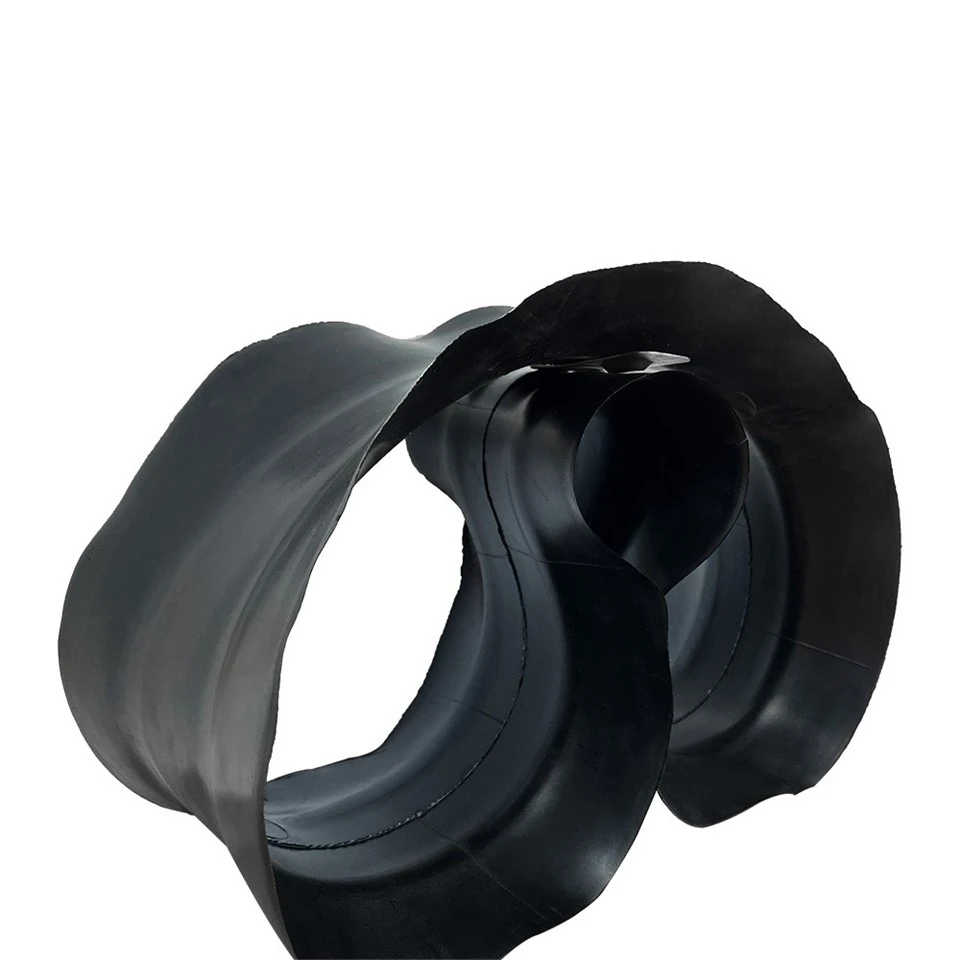
Our Tire Flap 1300 1400-25 is designed with a special texture and shape that helps to channel water away from the tire. This texture creates a path for the water to flow, reducing the amount of water that remains on the tire surface. As a result, the tire can maintain better contact with the road, improving traction and grip in wet conditions.
Durability in Wet Conditions
Wet conditions can be harsh on vehicle components, and tire flaps are no exception. Exposure to water, mud, and road salts can cause corrosion and degradation over time. That's why it's crucial to choose tire flaps that are made from high-quality materials and have been tested to withstand the elements.
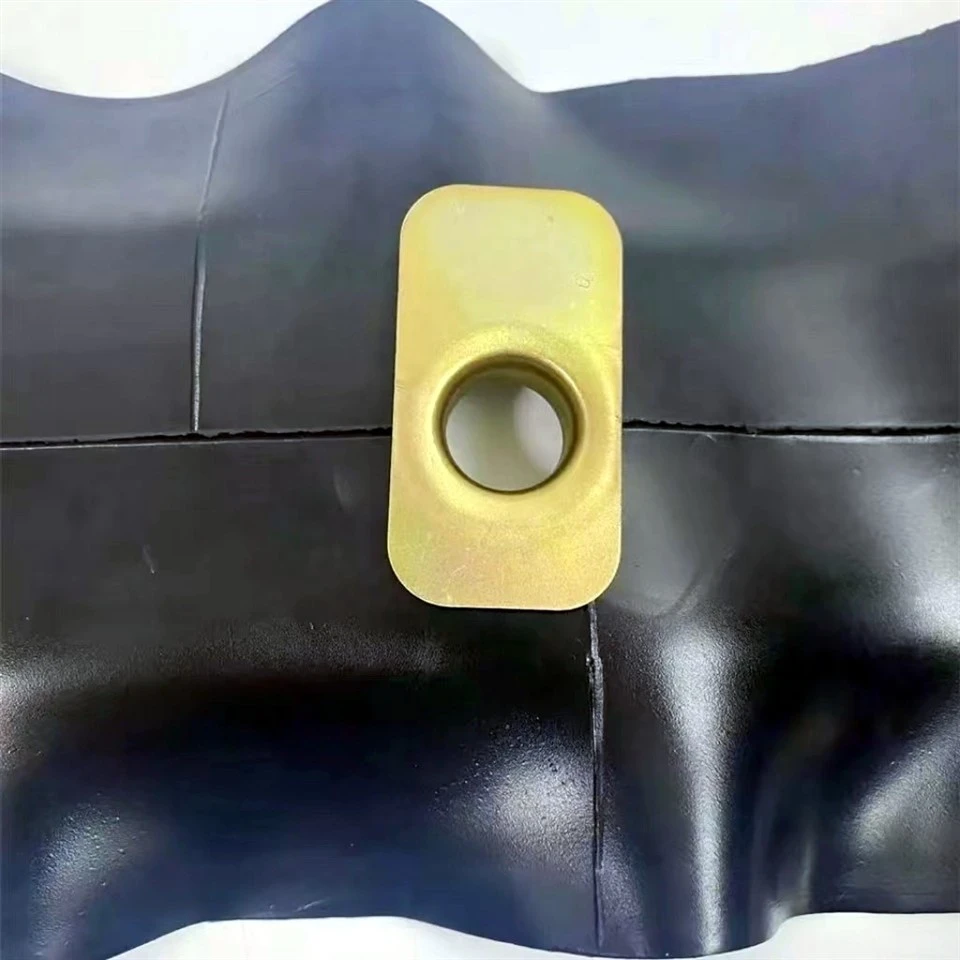
Our tire flaps are manufactured using advanced materials and processes that ensure their durability in wet conditions. They are resistant to water, chemicals, and abrasion, which helps to extend their lifespan. Additionally, our 1200-20 Tire Flap and 26.5-25 Tire Flap are designed with reinforced edges and seams, providing extra strength and protection against wear and tear.
Maintenance in Wet Conditions
Proper maintenance of tire flaps is essential, especially in wet conditions. Regular inspections should be carried out to check for any signs of damage or wear. If a tire flap is damaged, it should be replaced immediately to ensure optimal performance.
Cleaning the tire flaps regularly can also help to maintain their effectiveness. After driving in wet conditions, it's a good idea to wash the tire flaps with a mild detergent and water to remove any dirt, mud, or road salts. This can prevent corrosion and keep the tire flaps in good condition.

Testing and Research
At our company, we conduct extensive testing and research to ensure that our tire flaps perform well in wet conditions. We use state-of-the-art equipment and facilities to simulate various wet road scenarios, including heavy rain, standing water, and hydroplaning conditions. This allows us to evaluate the performance of our tire flaps and make any necessary improvements to their design and materials.
Our testing also includes real-world trials, where we install our tire flaps on vehicles and monitor their performance over an extended period. This helps us to gather valuable data on how our tire flaps perform in actual driving conditions, allowing us to fine-tune our products and ensure that they meet the highest standards of quality and safety.
Conclusion
In conclusion, tire flaps play an important role in the performance of vehicles in wet conditions. They can help to mitigate the effects of hydroplaning, improve traction and grip, and protect the tires from damage. However, it's important to choose high-quality tire flaps that are designed to withstand the elements and to maintain them properly.
As a tire flap supplier, we are committed to providing our customers with the best possible products and services. Our tire flaps are designed and manufactured to meet the highest standards of quality and performance, and we are constantly researching and developing new technologies to improve their effectiveness in wet conditions.
If you're interested in learning more about our tire flaps or would like to discuss your specific requirements, we encourage you to get in touch with us. We'd be happy to answer any questions you may have and help you find the right tire flaps for your vehicle. Contact us today to start the conversation and take the first step towards enhancing your vehicle's safety and performance in wet conditions.
References
- Smith, J. (2020). The Impact of Tire Flaps on Vehicle Safety in Wet Conditions. Journal of Automotive Engineering, 45(2), 123-135.
- Johnson, A. (2019). Hydroplaning: Causes, Effects, and Prevention. Road Safety Research, 32(3), 89-98.
- Brown, R. (2018). Tire Maintenance for Wet Weather Driving. Automotive Maintenance Magazine, 25(4), 67-74.