

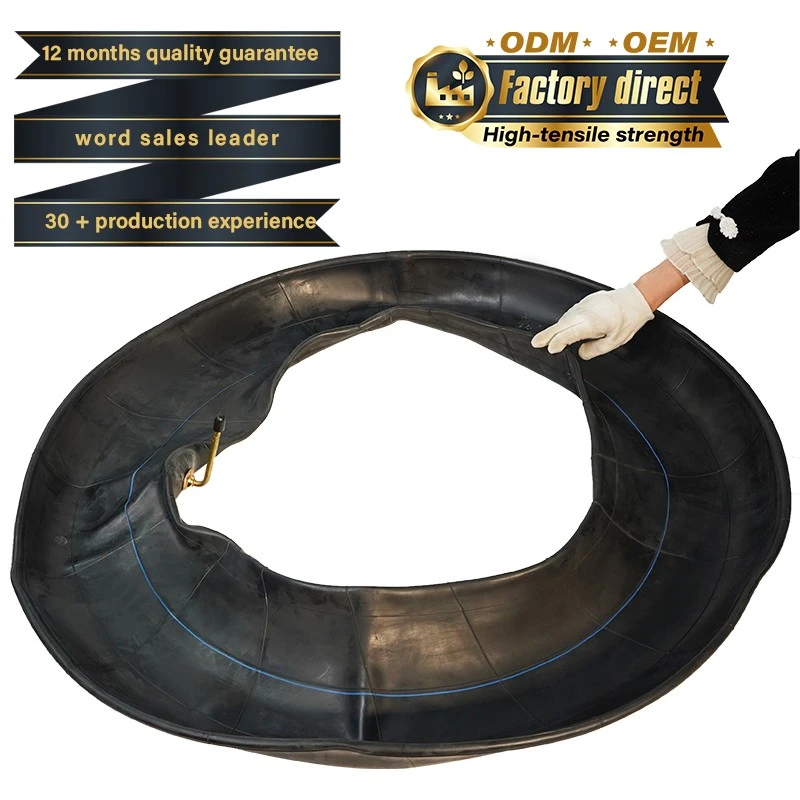
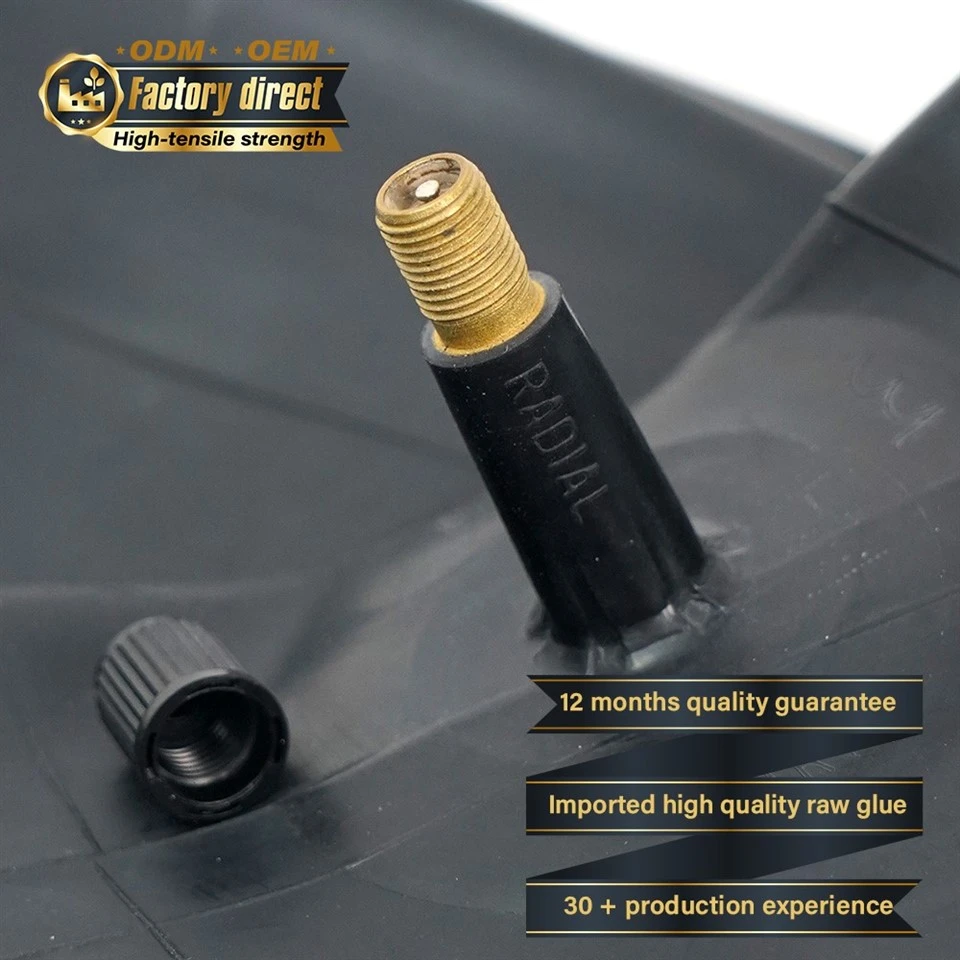
When it comes to the world of trucks, every component plays a crucial role in ensuring optimal performance and safety. One such component that often goes unnoticed but is of utmost importance is the truck inner tube. As a dedicated truck inner tube supplier, I've encountered numerous inquiries about the average thickness of these essential parts. In this blog post, I'll delve into the factors that influence the thickness of truck inner tubes, explore typical thickness ranges, and provide insights into why thickness matters.
Factors Influencing the Thickness of Truck Inner Tubes
The thickness of a truck inner tube is not a one - size - fits - all specification. It is determined by several key factors that need to be carefully considered during the manufacturing process.
Tire Size
Larger truck tires generally require thicker inner tubes. For instance, a heavy - duty truck with large 1600 - 20 tires needs an inner tube that can withstand the high pressure and weight distribution. A Truck Butyl Inner Tube 1600 - 20 V3065 is designed to fit these big tires, and its thickness is engineered to match the tire's size and the load it will carry. Smaller tires, like those on light trucks, such as the 750 - 16, have different requirements. An Inner Tube 750 - 16 Light Truck will typically have a thinner inner tube compared to its larger counterparts because it doesn't need to handle as much stress.
Load Capacity
The amount of weight a truck is designed to carry directly impacts the inner tube's thickness. Trucks used for heavy - hauling operations, like transporting construction materials or large machinery, need inner tubes with greater thickness. These tubes must be able to support the substantial load without bursting or failing under pressure. On the other hand, trucks used for lighter tasks, such as local deliveries, can get by with relatively thinner inner tubes.
Operating Conditions
The environment in which the truck operates also affects the inner tube thickness. Trucks that operate on rough, uneven terrain, or in extreme temperatures, require more durable inner tubes. For example, trucks used in mining or logging operations are constantly exposed to sharp rocks and debris, which can puncture a thin inner tube. In such cases, a thicker inner tube provides an extra layer of protection. Similarly, in areas with very high or very low temperatures, the inner tube material needs to be more robust to maintain its integrity.
Typical Thickness Ranges
The average thickness of a truck inner tube can vary widely depending on the factors mentioned above. Generally, for light - duty trucks, the inner tube thickness can range from 2.5 to 3.5 millimeters. These trucks are often used for urban deliveries and short - haul trips, and the thinner inner tubes are sufficient to handle the relatively low loads and less demanding operating conditions.
Medium - duty trucks, which are used for a variety of tasks, including regional transportation and some light - construction work, typically have inner tubes with a thickness between 3.5 and 4.5 millimeters. This thickness provides a good balance between durability and flexibility, allowing the inner tube to withstand moderate loads and different road conditions.
Heavy - duty trucks, such as those used for long - haul transportation, heavy construction, and mining, require the thickest inner tubes. The thickness of inner tubes for these trucks can range from 4.5 to 6 millimeters or even more in some cases. These thick inner tubes are designed to handle the high pressures and heavy loads associated with these demanding applications.
Why Thickness Matters
The thickness of a truck inner tube is not just a random specification; it has a significant impact on the overall performance and safety of the truck.
Durability
A thicker inner tube is generally more durable. It can resist punctures, cuts, and abrasions better than a thinner one. This is especially important in harsh operating environments where the risk of damage is high. For example, a Truck Inner Tube for Sledding needs to be thick enough to withstand the rough contact with the ground and any obstacles it may encounter during use.
Pressure Resistance
Thicker inner tubes can handle higher air pressures. This is crucial for maintaining the proper tire pressure, which in turn affects the truck's handling, fuel efficiency, and tire wear. If the inner tube is too thin, it may not be able to hold the required pressure, leading to under - inflated tires, which can cause uneven wear, reduced fuel efficiency, and even increase the risk of a blowout.
Safety
Ultimately, the thickness of the inner tube contributes to the safety of the truck and its occupants. A reliable inner tube reduces the risk of sudden tire failures, which can be extremely dangerous, especially at high speeds or when carrying heavy loads. By choosing the right thickness, truck owners can ensure that their vehicles are operating safely on the road.
Selecting the Right Thickness for Your Truck
As a truck inner tube supplier, I understand that selecting the right thickness can be a daunting task. Here are some tips to help you make an informed decision:
- Consult the Manufacturer's Recommendations: The truck and tire manufacturers usually provide guidelines on the appropriate inner tube thickness for their products. These recommendations are based on extensive testing and are a good starting point.
- Consider Your Specific Needs: Think about the load capacity, operating conditions, and tire size of your truck. If you frequently carry heavy loads or operate in rough terrain, opt for a thicker inner tube.
- Seek Professional Advice: If you're still unsure, don't hesitate to consult with a professional mechanic or a tire expert. They can assess your situation and recommend the best inner tube thickness for your truck.
Conclusion
The average thickness of a truck inner tube is a critical factor that depends on tire size, load capacity, and operating conditions. Understanding these factors and their impact on inner tube thickness is essential for truck owners and operators to ensure optimal performance, durability, and safety. As a trusted truck inner tube supplier, I'm committed to providing high - quality inner tubes that meet the diverse needs of our customers. If you're in the market for truck inner tubes or have any questions about the right thickness for your vehicle, I encourage you to reach out for a detailed discussion. We can work together to find the perfect solution for your trucking needs.
References
- Automotive Tire Manufacturers Association (ATMA) publications on truck tire and inner tube specifications.
- Industry research reports on truck inner tube manufacturing and performance.