

Changing a tire inner tube by oneself is a task that many vehicle owners may encounter at some point. As a tire inner tube supplier, I've had numerous conversations with customers about this topic. Some believe it's a straightforward DIY project, while others think it's fraught with difficulties. In this blog, I'll delve into the intricacies of changing a tire inner tube on your own and share insights based on my experience in the industry.
Understanding the Basics of Tire Inner Tubes
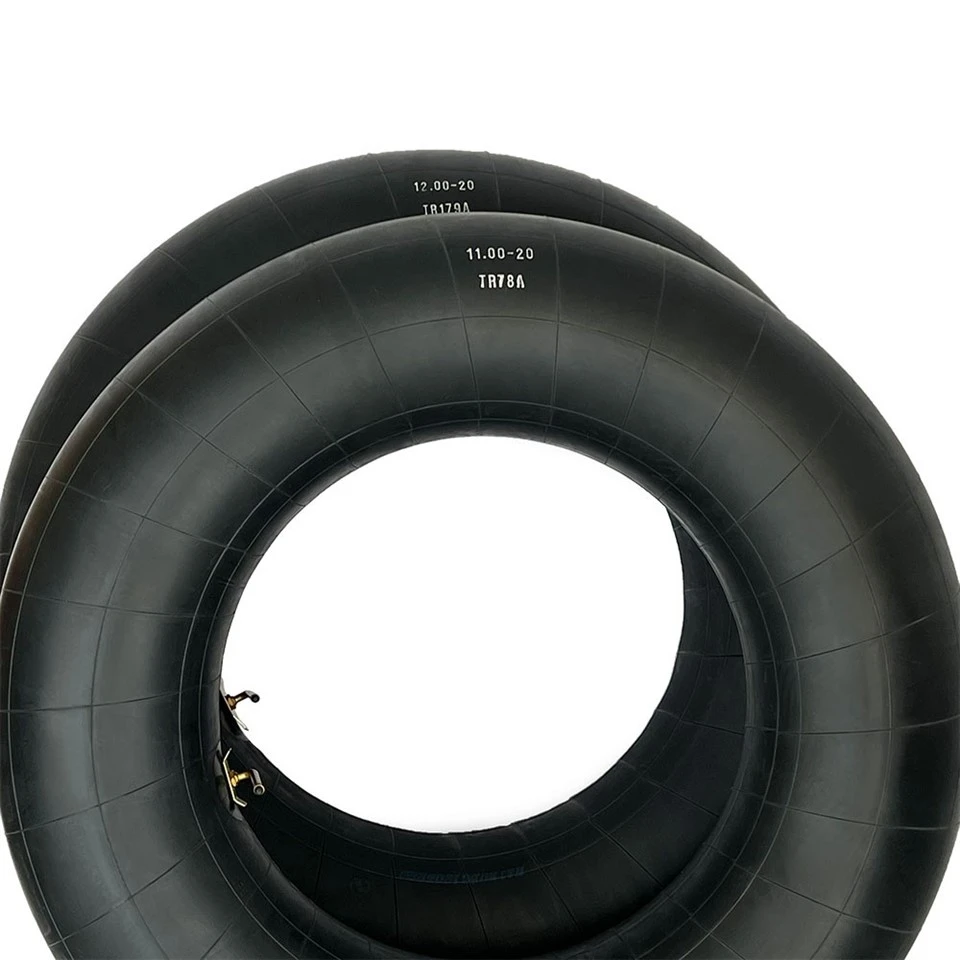
Before we assess the difficulty of changing a tire inner tube, it's essential to understand what an inner tube is and how it functions. An inner tube is a rubber bladder that fits inside a tire and holds the air. It's commonly used in various types of vehicles, including bicycles, motorcycles, and some trucks. For instance, the 1100 20 Truck Tire Inner Tube is designed specifically for large trucks, providing the necessary support and air retention for heavy - duty use.
Inner tubes come in different sizes and specifications to match the corresponding tire sizes. The right inner tube must be selected to ensure proper fit and performance. This involves considering factors such as the tire's diameter, width, and the maximum pressure it can handle. Using an incorrect inner tube can lead to issues like poor inflation, uneven wear, and even tire failure.
Tools and Equipment Required
One of the first aspects that determine the difficulty of changing a tire inner tube is the availability of the right tools. To change an inner tube, you'll typically need the following:
- Tire levers: These are used to remove the tire from the rim. They come in different shapes and sizes, and high - quality tire levers can make the process much easier.
- Valve core tool: This tool is used to remove the valve core, allowing you to deflate the tire quickly.
- New inner tube: Make sure it's the correct size and type for your tire. For example, if you have a truck, the 1100 - 20 Truck Inner Tube would be the appropriate choice.
- Pump: You'll need a pump to inflate the new inner tube to the correct pressure.
If you don't have these tools readily available, it can significantly increase the difficulty of the task. Moreover, using sub - standard tools can also lead to damage to the tire or the inner tube.
Step - by - Step Process of Changing a Tire Inner Tube
The process of changing a tire inner tube generally involves the following steps:
- Prepare the vehicle: Park the vehicle on a flat, stable surface and engage the parking brake. If it's a bicycle, make sure it's securely propped up.
- Deflate the tire: Use the valve core tool to remove the valve core and let all the air out of the tire.
- Remove the tire from the rim: Insert the tire levers between the tire and the rim and pry the tire bead over the rim. Start at the valve stem and work your way around the tire. This can be physically demanding, especially for larger tires.
- Remove the old inner tube: Once the tire is off the rim, carefully remove the old inner tube. Check the inside of the tire for any objects that may have caused the puncture, such as nails or glass shards.
- Insert the new inner tube: Partially inflate the new inner tube to give it some shape. Place it inside the tire, making sure the valve stem is properly aligned with the hole in the rim.
- Mount the tire back on the rim: Starting opposite the valve stem, use the tire levers to work the tire bead back onto the rim. This step requires patience and precision to ensure the tire is evenly seated on the rim.
- Inflate the tire: Use the pump to inflate the tire to the recommended pressure. Check the sidewall of the tire for the correct pressure rating.
Difficulties Encountered During the Process
There are several challenges that one may face when changing a tire inner tube:
- Physical strength: Removing and mounting a tire on the rim can be very strenuous, especially for larger and heavier tires. For example, truck tires are much larger and more difficult to handle compared to bicycle tires.
- Proper alignment: Ensuring that the inner tube is properly aligned inside the tire and that the tire bead is evenly seated on the rim is crucial. If not done correctly, it can lead to uneven wear and potential tire failure.
- Avoiding damage: Using the tire levers incorrectly can cause damage to the tire, the inner tube, or the rim. It takes some skill to use these tools without causing any harm.
Factors That Can Simplify the Process
On the other hand, there are factors that can make changing a tire inner tube easier:
- Experience: If you've changed a tire inner tube before, you'll be more familiar with the process and the tools involved. Practice makes perfect, and with each attempt, you'll become more efficient.
- Quality tools: High - quality tools are easier to use and less likely to cause damage. Investing in good tire levers, valve core tools, and pumps can make the process smoother.
- Proper training: Watching online tutorials or getting some hands - on training can provide valuable insights and tips on how to change a tire inner tube correctly.
Importance of Rubber Flaps
In some cases, especially for larger vehicles, rubber flaps play an important role. A Rubber Flap 26.5 - 25 is designed to protect the inner tube from abrasion and damage caused by the rim. When changing a tire inner tube, it's important to check the condition of the rubber flap and replace it if necessary. A damaged rubber flap can lead to premature wear of the inner tube.
Conclusion
So, is it difficult to change a tire inner tube by yourself? The answer is that it depends. For those with experience, the right tools, and a bit of patience, it can be a manageable DIY project. However, for beginners or when dealing with larger, more complex tires, it can be quite challenging.
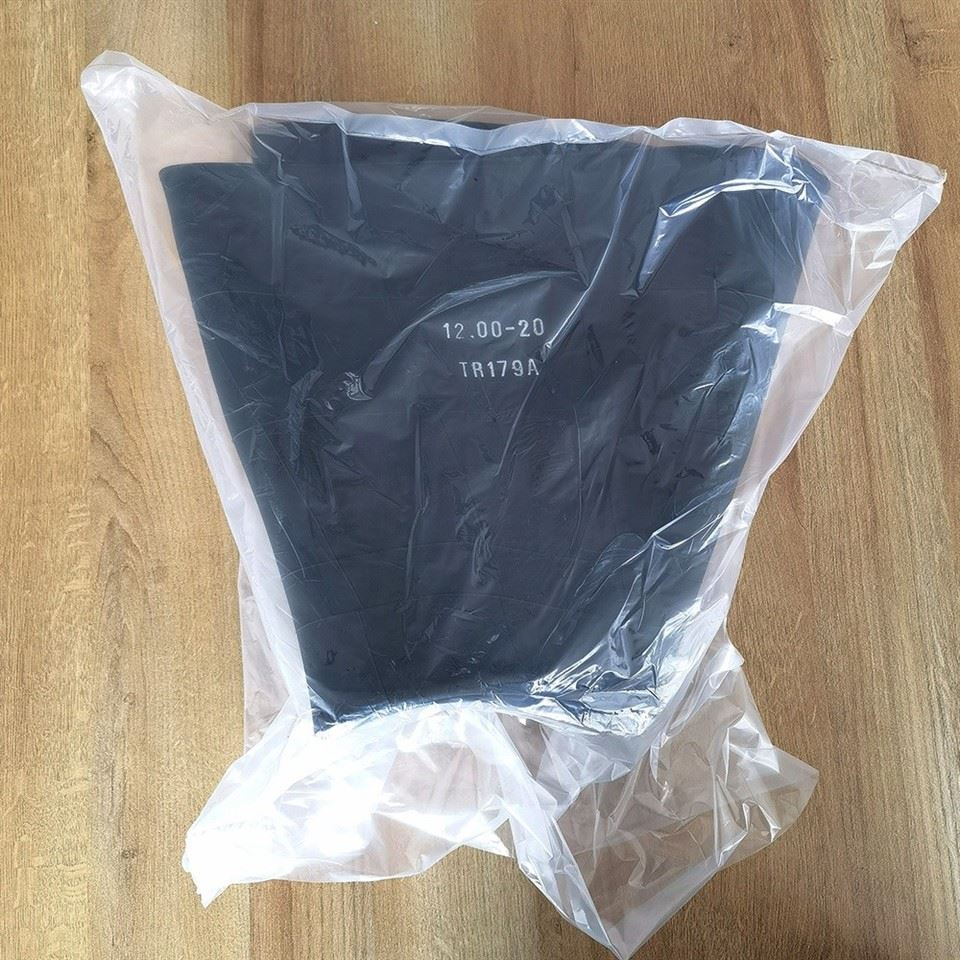
If you're considering changing a tire inner tube on your own, make sure you have the necessary tools and knowledge. And if you're in the market for high - quality tire inner tubes, we're here to help. Whether you need a 1100 20 Truck Tire Inner Tube, a 1100 - 20 Truck Inner Tube, or a Rubber Flap 26.5 - 25, we can provide you with the right products. Feel free to reach out to us for more information and to start a procurement discussion.
References
- Tire manufacturers' manuals
- Online tutorials on tire maintenance and repair
- Industry publications on tire technology and safety