

As a supplier of OTR (Off-The-Road) inner tubes, I've witnessed firsthand the critical role that chemical resistance plays in the performance and longevity of these essential components. OTR inner tubes are designed to withstand the harsh conditions of off-road environments, where they are often exposed to a variety of chemicals, including fuels, lubricants, and cleaning agents. Understanding the chemical resistance of OTR inner tubes is crucial for ensuring their optimal performance and durability in these challenging settings.
Chemical Resistance Defined
Chemical resistance refers to the ability of a material to withstand the effects of chemical exposure without undergoing significant degradation or damage. In the context of OTR inner tubes, chemical resistance is particularly important because these tubes are frequently in contact with various chemicals during their use. For example, they may come into contact with gasoline, diesel fuel, hydraulic fluids, and other petroleum-based products. Additionally, they may be exposed to cleaning agents and solvents used in maintenance and repair operations.
Factors Affecting Chemical Resistance
Several factors can influence the chemical resistance of OTR inner tubes. These include the type of rubber used in the manufacturing process, the thickness of the tube wall, and the specific chemicals to which the tube is exposed.
Type of Rubber
The type of rubber used in the production of OTR inner tubes is one of the most significant factors affecting their chemical resistance. Different types of rubber have varying degrees of resistance to different chemicals. For example, butyl rubber is known for its excellent resistance to gases and moisture, as well as its good chemical resistance to many common fuels and solvents. This makes it a popular choice for OTR inner tubes, especially in applications where exposure to these substances is likely. You can find our high - quality Butyl Rubber 1800 - 25 Inner Tube which is made from premium butyl rubber, offering enhanced chemical resistance.
Tube Wall Thickness
The thickness of the tube wall also plays a role in chemical resistance. A thicker tube wall provides an additional barrier against chemical penetration, reducing the likelihood of damage to the inner tube. However, it's important to strike a balance between wall thickness and other factors such as weight and flexibility, as overly thick walls can add unnecessary weight and reduce the tube's performance.
Specific Chemicals
The specific chemicals to which the OTR inner tube is exposed can have a significant impact on its chemical resistance. Some chemicals are more aggressive than others and can cause more rapid degradation of the rubber. For example, strong acids and bases can be particularly damaging to rubber materials. Understanding the types of chemicals present in the operating environment is essential for selecting the appropriate OTR inner tube with the necessary chemical resistance.
Testing Chemical Resistance
To ensure the chemical resistance of OTR inner tubes, manufacturers typically conduct a series of tests. These tests involve exposing samples of the inner tube to various chemicals under controlled conditions and measuring the changes in physical properties such as hardness, tensile strength, and volume.
Immersion Tests
One common method is the immersion test, where the inner tube sample is immersed in a specific chemical for a set period of time. After the immersion period, the sample is removed and examined for signs of degradation, such as swelling, cracking, or loss of strength.
Exposure to Chemical Vapors
In addition to immersion tests, exposure to chemical vapors is also tested. This simulates real - world conditions where the inner tube may be exposed to the vapors of volatile chemicals. The sample is placed in an environment with a controlled concentration of chemical vapors, and the effects on the rubber are monitored over time.
Applications and Chemical Resistance Requirements
The chemical resistance requirements of OTR inner tubes vary depending on their applications.
Mining Industry
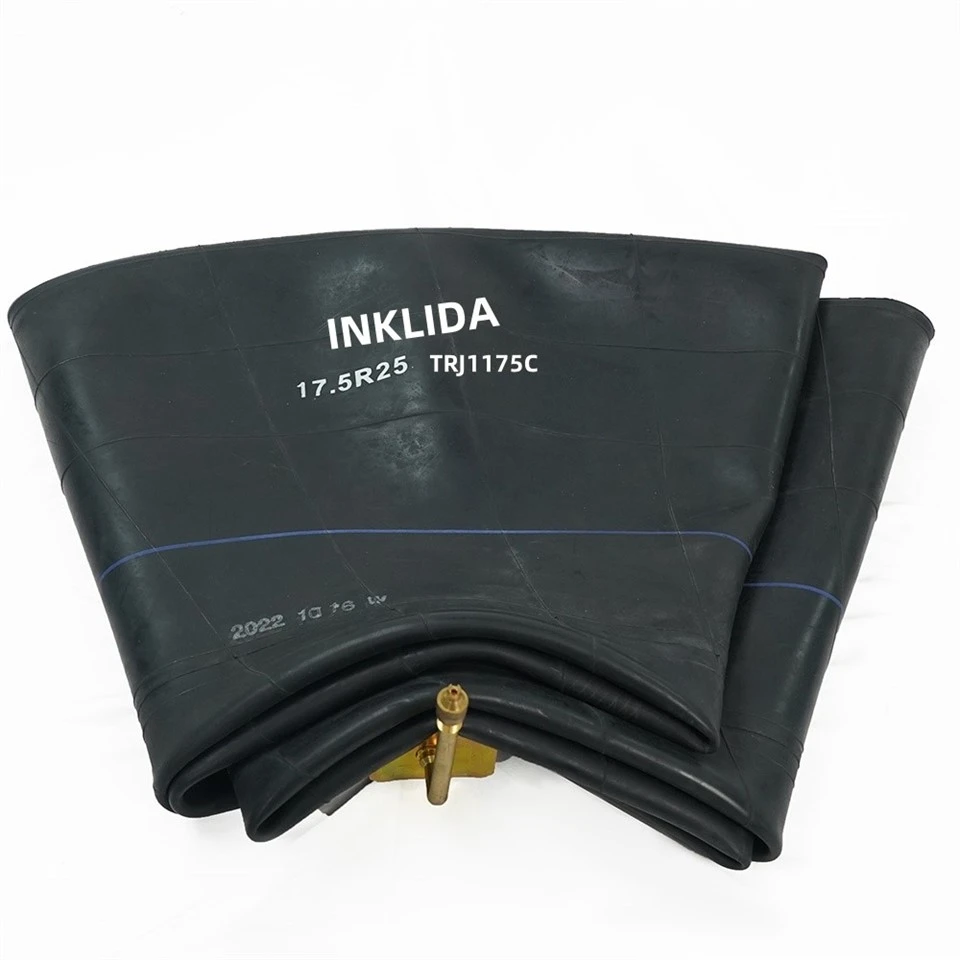
In the mining industry, OTR inner tubes are exposed to a wide range of chemicals, including diesel fuel, lubricants, and various mining chemicals. The inner tubes need to have excellent resistance to these substances to ensure long - term performance and reliability. Our OTR Inner Tube 17.5R25 is well - suited for mining applications, offering good chemical resistance to the chemicals commonly found in this industry.
Construction Industry
In the construction industry, OTR inner tubes may come into contact with hydraulic fluids, cement dust, and cleaning agents. Chemical resistance to these substances is crucial to prevent premature failure of the inner tubes.
Agriculture
In the agricultural sector, OTR inner tubes may be exposed to pesticides, fertilizers, and diesel fuel. Selecting inner tubes with appropriate chemical resistance can help prevent damage and extend the lifespan of the tubes.
Maintenance and Chemical Resistance
Proper maintenance is also important for maintaining the chemical resistance of OTR inner tubes.
Cleaning
When cleaning OTR inner tubes, it's important to use mild, non - abrasive cleaning agents that are compatible with the rubber material. Harsh chemicals can damage the rubber and reduce its chemical resistance.
Storage
During storage, OTR inner tubes should be kept away from sources of chemicals and stored in a clean, dry environment. Exposure to chemicals during storage can also degrade the rubber and compromise its chemical resistance.
Conclusion
The chemical resistance of OTR inner tubes is a critical factor in their performance and durability. By understanding the factors that affect chemical resistance, conducting appropriate tests, and selecting the right inner tubes for specific applications, users can ensure that their OTR inner tubes can withstand the harsh chemical environments they are exposed to.
At our company, we are committed to providing high - quality OTR inner tubes with excellent chemical resistance. Our range of OTR Inner Tube products is carefully designed and tested to meet the diverse needs of different industries. If you are in the market for OTR inner tubes with reliable chemical resistance, we invite you to contact us for more information and to discuss your specific requirements. Our team of experts is ready to assist you in making the right choice for your applications.
References
- "Rubber Technology Handbook" by Werner Hofmann
- "Handbook of Elastomers" edited by A. K. Bhowmick and H. L. Stephens
- Industry standards and guidelines related to OTR inner tubes and rubber materials