

Hey there! As an industrial inner tube supplier, I often get asked about the difference between regular inner tubes and industrial ones. So, I thought I'd break it down for you in this blog post.
Construction and Materials
Let's start with the construction and materials. Regular inner tubes, like the ones you'd find on a bike or a small car, are usually made from natural rubber or a blend of natural and synthetic rubbers. These materials are flexible and work well for everyday use where the stress and load on the tube are relatively low.
On the other hand, industrial inner tubes are made from more heavy - duty materials. Butyl rubber is a popular choice for industrial inner tubes. It has excellent air retention properties, which means it can hold air for a much longer time compared to regular inner tubes. This is crucial in industrial settings where downtime due to flat tires can be extremely costly.
Another aspect of construction is the thickness. Regular inner tubes are relatively thin. They don't need to withstand high pressures or heavy loads. Industrial inner tubes, however, are much thicker. The extra thickness provides better protection against punctures and abrasions, which are common in industrial environments. For example, in a construction site, an industrial inner tube on a forklift tire needs to be able to handle sharp rocks, nails, and other debris without getting damaged easily.
Size and Dimensions
Size matters, and it's a significant difference between regular and industrial inner tubes. Regular inner tubes come in standard sizes that are designed to fit common consumer vehicles. For instance, a bike inner tube might be sized according to the diameter of the wheel and the width of the tire, like 26 x 1.75 inches.
Industrial inner tubes, on the other hand, come in a wide range of sizes, many of which are custom - made. In industrial applications, there are all sorts of vehicles and equipment with different tire requirements. Forklifts, for example, can have various tire sizes depending on their load - carrying capacity and the type of work they do. We offer a 3.50 - 8 Inner Tube which is specifically designed for certain industrial equipment. This tube is engineered to fit perfectly and provide optimal performance in its intended application.
Pressure and Load Capacity
Pressure and load capacity are two key factors that set regular and industrial inner tubes apart. Regular inner tubes are designed to operate at relatively low pressures. A typical bike inner tube might have a recommended pressure of 30 - 60 psi (pounds per square inch). This is sufficient for the light weight of a bike and the smooth surfaces it usually travels on.
Industrial inner tubes, however, need to handle much higher pressures. In a heavy - duty industrial vehicle like a large forklift, the inner tube might need to operate at pressures of 100 psi or more. This high pressure is necessary to support the heavy loads that these vehicles carry. A High Quality Forklift Butyl Inner Tube is built to withstand these high pressures and provide reliable support for the forklift's load.
Load capacity is also a major difference. Regular inner tubes are only meant to support the weight of the vehicle and its normal load. A car inner tube, for example, is designed to carry the weight of the car, passengers, and a small amount of cargo. Industrial inner tubes, on the other hand, are built to handle extremely heavy loads. Forklifts can lift tons of weight, and the inner tubes in their tires need to be able to support this weight without failing.
Application and Environment
The application and the environment in which the inner tubes are used are also very different. Regular inner tubes are used in everyday consumer applications. Bikes are used for commuting, exercise, or leisure. Cars are used for transportation on roads. These environments are generally clean and free from extreme hazards.
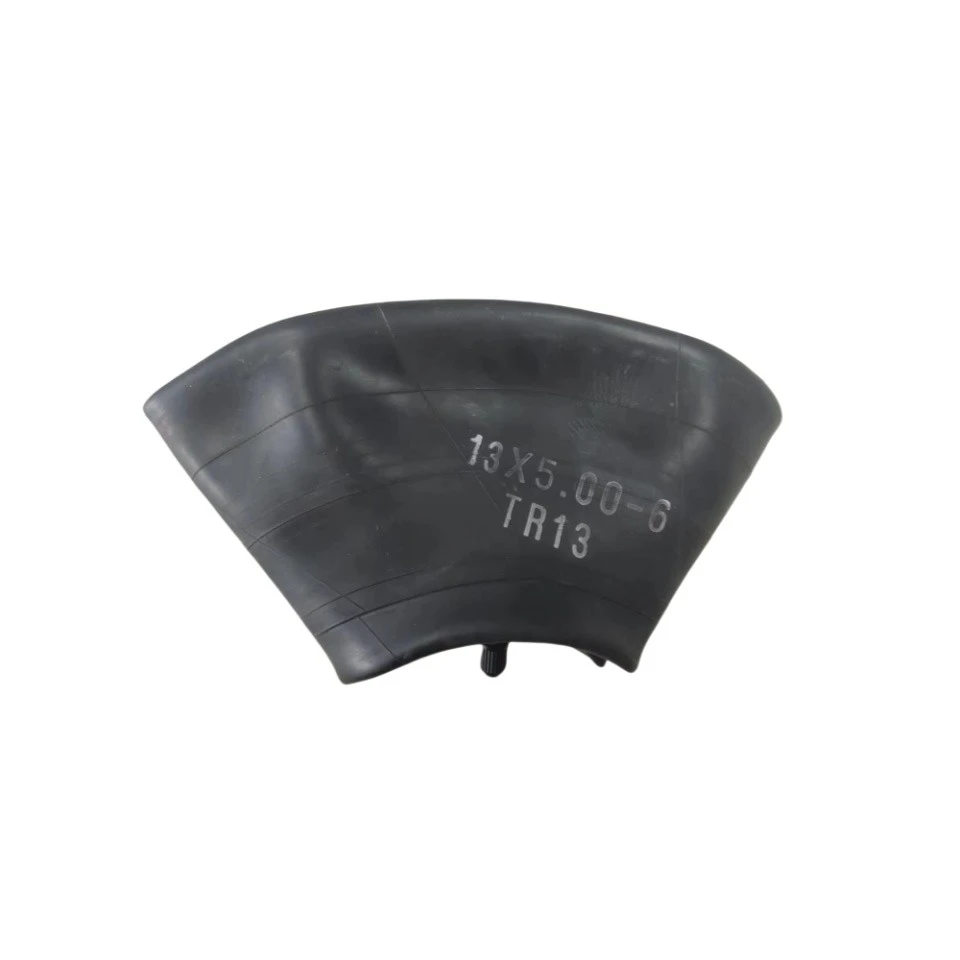
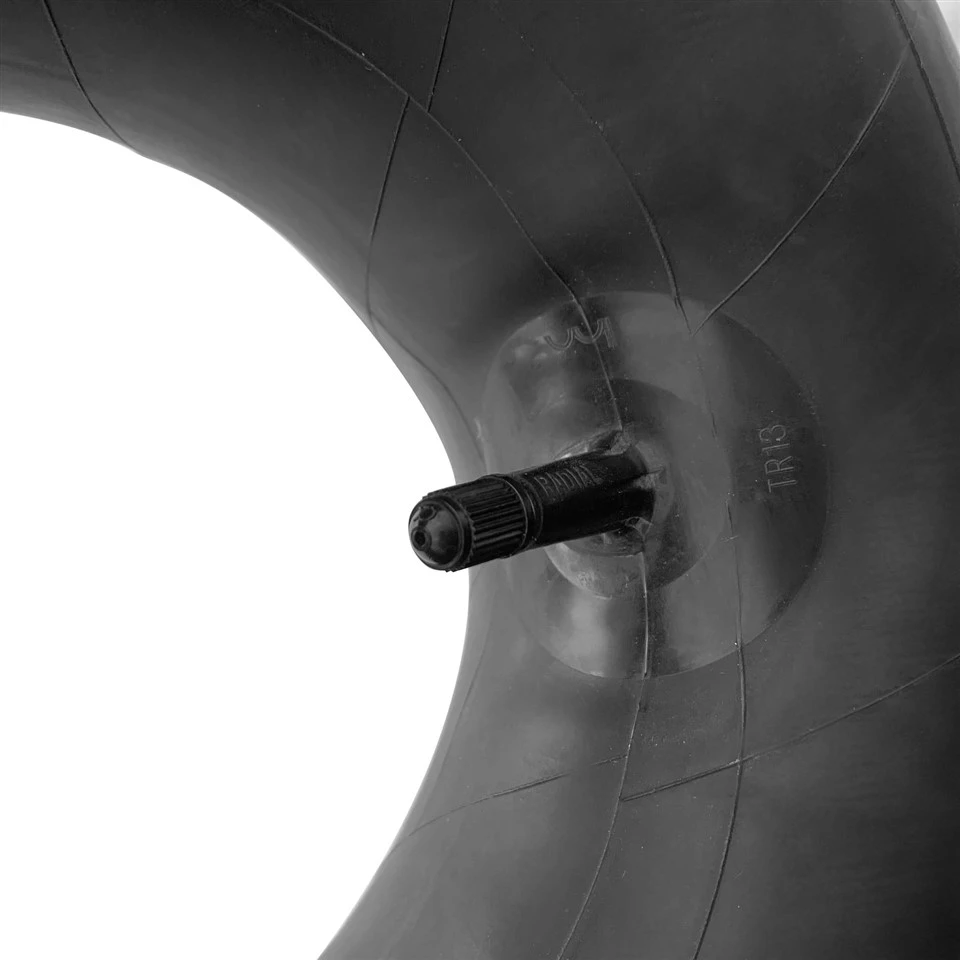
Industrial inner tubes are used in much harsher environments. Construction sites, warehouses, and mines are just a few examples. In these places, the inner tubes are exposed to all sorts of dangers. They can be punctured by sharp objects, abraded by rough surfaces, and exposed to chemicals and oils. That's why industrial inner tubes need to be more durable and resistant to these environmental factors. Forklift Inner Tubes are specifically designed to work in the tough conditions of a warehouse or a construction site, where they are constantly moving heavy loads and navigating through tight spaces.
Cost
Cost is another factor to consider. Regular inner tubes are generally much cheaper. They are mass - produced for the consumer market, and the materials and manufacturing processes are less expensive. You can buy a bike inner tube for just a few dollars.
Industrial inner tubes, on the other hand, are more expensive. The high - quality materials, the custom manufacturing, and the need for strict quality control all contribute to the higher cost. However, when you consider the cost of downtime in an industrial setting, the investment in a high - quality industrial inner tube is well worth it. A reliable industrial inner tube can prevent costly breakdowns and keep your operations running smoothly.
Lifespan
The lifespan of regular and industrial inner tubes also varies. Regular inner tubes, due to their thinner construction and lower - quality materials, have a relatively short lifespan. A bike inner tube might need to be replaced every year or two, depending on how often it's used.
Industrial inner tubes, with their heavy - duty construction and high - quality materials, have a much longer lifespan. When properly maintained, an industrial inner tube on a forklift can last for several years. This longer lifespan is another reason why the higher initial cost of industrial inner tubes is justified.
Conclusion
In conclusion, there are many differences between regular inner tubes and industrial inner tubes. From the materials and construction to the size, pressure capacity, application, cost, and lifespan, each type of inner tube is designed for a specific purpose. If you're in an industrial setting, you need an inner tube that can handle the tough conditions and heavy loads. That's where our industrial inner tubes come in.
We're a leading supplier of industrial inner tubes, and we're committed to providing high - quality products that meet your specific needs. Whether you need a 3.50 - 8 Inner Tube, a High Quality Forklift Butyl Inner Tube, or any other type of industrial inner tube, we've got you covered.
If you're interested in learning more about our products or if you have any questions, don't hesitate to reach out. We'd be more than happy to discuss your requirements and help you find the right industrial inner tube for your equipment. Contact us today to start the procurement process and get your operations running more efficiently with our top - notch industrial inner tubes.
References
- "Tire and Inner Tube Handbook" - A comprehensive guide on tire and inner tube technology.
- Industry reports on industrial equipment and tire usage.