

Hey there! As a supplier of truck and bus tire flaps, I often get asked about the chemical resistance of these essential components. So, I thought I'd dive deep into this topic and share some insights with you all.
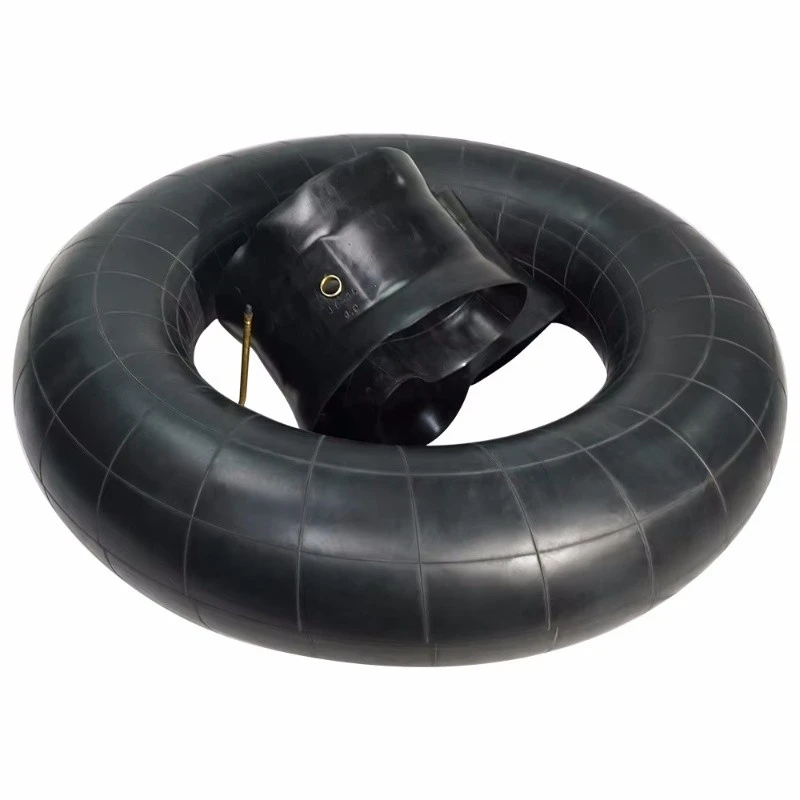
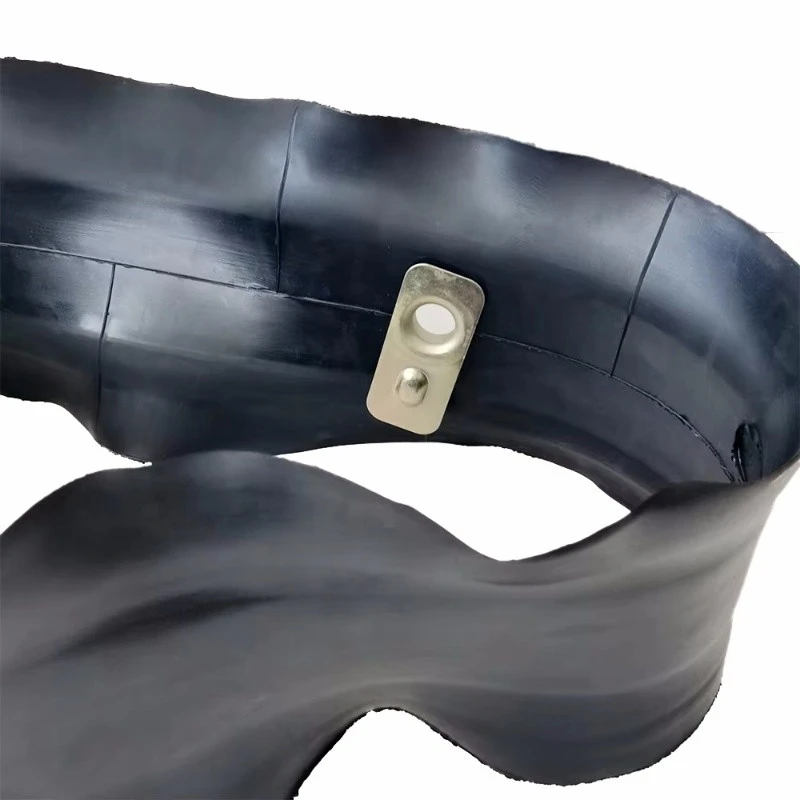
First off, let's understand what truck and bus tire flaps are. They're those little (or not - so - little) pieces that sit between the inner tube and the outer tire. Their main job is to protect the inner tube from damage caused by sharp objects, heat, and in our case, chemicals. You can check out our Inner Tube Protector to see what I'm talking about.
Now, why is chemical resistance so important? Well, trucks and buses operate in all sorts of environments. They can come into contact with a wide range of chemicals, from road salts used in winter to oil and fuel spills. If the tire flaps aren't chemically resistant, they can break down over time. This breakdown can lead to premature wear and tear of the inner tube, which is a real hassle for truck and bus owners.
Let's talk about the types of chemicals that tire flaps might encounter. Road salts are a big one, especially in colder regions. These salts are used to melt ice on the roads, but they can be pretty corrosive. When the tires roll over these salty roads, the tire flaps are exposed to the salt - water mixture. If the flap material isn't resistant, the salt can cause it to degrade, leading to cracks and holes.
Oil and fuel are another concern. Trucks and buses use a lot of these substances, and spills are bound to happen. If the tire flap comes into contact with oil or fuel, a non - resistant flap might start to swell or become soft. This can compromise its structural integrity and make it less effective at protecting the inner tube.
So, what materials are used in truck and bus tire flaps to ensure chemical resistance? One common material is rubber. High - quality rubber compounds are designed to withstand exposure to various chemicals. They have a certain level of elasticity and durability that helps them resist degradation. For example, our 24 Inch Truck Tire Inner Tube Protector is made from a special rubber compound that offers excellent chemical resistance.
Another material is synthetic polymers. These are engineered materials that can be tailored to have specific properties, including chemical resistance. They can be formulated to resist a wide range of chemicals, from acids to solvents. Some synthetic polymers are also very strong and lightweight, which is a plus for truck and bus applications.
When it comes to testing the chemical resistance of tire flaps, there are several methods. One common test is the immersion test. In this test, a sample of the tire flap material is immersed in a specific chemical for a set period of time. Then, the sample is examined for any changes in its physical properties, such as weight, hardness, and appearance. If there are no significant changes, it means the material has good chemical resistance.
There's also the exposure test. In this test, the tire flap is exposed to a chemical environment similar to what it would encounter in real - world conditions. This could involve spraying the flap with a chemical solution or exposing it to fumes. The flap is then monitored over time to see how it reacts.
Now, I want to touch on how the chemical resistance of tire flaps affects their performance and lifespan. A tire flap with good chemical resistance will last longer. It won't break down as quickly when exposed to chemicals, which means it can continue to protect the inner tube effectively. This, in turn, reduces the frequency of inner tube replacements and saves truck and bus owners money in the long run.
On the other hand, a tire flap with poor chemical resistance will start to show signs of wear and tear much sooner. It might develop cracks, become brittle, or lose its shape. When this happens, it can no longer provide adequate protection for the inner tube, and the risk of a flat tire increases.
As a supplier, we take the chemical resistance of our Truck Tyre Flap very seriously. We use the latest materials and manufacturing techniques to ensure that our products can withstand the toughest chemical environments. Our R & D team is constantly working on improving the chemical resistance of our tire flaps, so we can offer our customers the best possible protection for their trucks and buses.
If you're in the market for high - quality truck and bus tire flaps with excellent chemical resistance, we'd love to hear from you. Whether you're a trucking company looking to outfit your fleet or a bus operator in need of reliable tire protection, we can provide the right products for you. Don't hesitate to reach out for a quote or to discuss your specific requirements. We're here to help you keep your vehicles running smoothly and safely.
In conclusion, the chemical resistance of truck and bus tire flaps is a crucial factor in their performance and durability. By understanding the types of chemicals they might encounter, the materials used to make them resistant, and the testing methods, you can make an informed decision when choosing tire flaps for your vehicles. So, if you're looking for top - notch tire flaps, give us a shout, and let's start a conversation about how we can meet your needs.
References
- "Tire Engineering and Manufacture" by The Tire Society
- "Handbook of Rubber Technology" by Werner Hofmann