

Hey there! As a supplier of inner tube truck tires, I often get asked about the difference between tube - type and tubeless truck tires. So, I thought I'd break it down for you in this blog post.
Let's start with the basics. A tube - type truck tire, as the name suggests, has an inner tube inside it. The inner tube is like a big balloon that holds the air. It's made of rubber and is placed inside the tire casing. When you inflate the tire, the air goes into the inner tube, and the tube then pushes against the inside of the tire, giving it shape and allowing it to support the weight of the truck.
On the other hand, a tubeless truck tire doesn't have an inner tube. Instead, it has a special air - tight seal between the tire and the wheel rim. The tire itself is designed to hold the air directly. The bead of the tire (the part that sits on the rim) is engineered to create a tight fit, preventing air from escaping.
Construction and Design
When it comes to construction, tube - type tires are a bit more straightforward. The inner tube is a separate component that can be easily replaced if it gets damaged. This means that if you have a puncture in the tube, you can just swap it out for a new one without having to replace the entire tire. For example, if you're using a Truck Inner Tube for Floating, and it gets a small hole, you can quickly fix the issue by getting a new tube.

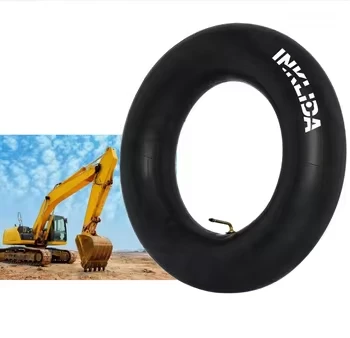
Tubeless tires, however, have a more complex design. They need to have a perfect seal with the rim to work properly. The tire sidewalls are also reinforced to help maintain the air pressure. This design makes them more resistant to slow leaks because there's no inner tube that can develop small holes over time.
Performance
In terms of performance, tube - type tires have their advantages. They can handle high - pressure applications quite well. Since the inner tube is a separate entity, it can be inflated to the exact pressure required for the load. This is especially useful for trucks that carry heavy loads. For instance, a truck using an Inner Tube 750 - 16 Light Truck can adjust the tube's pressure according to the weight it's hauling.
Tubeless tires, on the other hand, offer better heat dissipation. When a tire is in motion, it generates heat. Tubeless tires can transfer this heat more efficiently to the rim, which helps in preventing overheating. This is great for long - haul trucks that are on the road for extended periods.
Safety
Safety is a crucial factor when it comes to truck tires. Tube - type tires have a bit of a safety net. If the outer tire gets damaged, the inner tube can still hold some air for a short period, giving the driver time to pull over safely. However, if the inner tube gets a sudden puncture, it can cause a rapid loss of air, which can be dangerous, especially at high speeds.
Tubeless tires are generally considered safer in case of a puncture. When a tubeless tire gets a small hole, the air usually leaks out slowly. This gives the driver more time to notice the problem and take appropriate action. The risk of a sudden blowout is also lower with tubeless tires.
Maintenance
Maintenance is another area where these two types of tires differ. Tube - type tires require regular checks of the inner tube. You need to make sure the tube is properly inflated and that there are no signs of damage. If you're using a 48 Inch Truck Inner Tube, you have to be extra careful during inspections because a large tube can be more difficult to handle.
Tubeless tires are a bit easier to maintain in some ways. You don't have to worry about the inner tube, but you do need to check the tire - rim seal regularly. Over time, the seal can wear out, and you may need to re - seat the tire on the rim to ensure it's air - tight.
Cost
Cost is always a consideration for truck owners. Tube - type tires are generally cheaper upfront. The inner tube is an additional cost, but it's usually not too expensive. And since you can replace just the tube in case of damage, it can save you money in the long run.
Tubeless tires are more expensive initially. They require special rims and a more complex manufacturing process. However, they may save you money on maintenance in the long term, as they are less prone to slow leaks and may last longer.
Which One Should You Choose?
So, which type of tire is right for you? Well, it depends on your specific needs. If you're running a local delivery service and your trucks are constantly on and off the road, tube - type tires might be a good choice. They're easy to repair and can handle the stop - and - go traffic well.
If you're in the long - haul business, tubeless tires could be the better option. Their heat dissipation and slow - leak properties make them more suitable for long drives.
As a supplier of inner tube truck tires, I can offer you a wide range of high - quality inner tubes for your trucks. Whether you need a Truck Inner Tube for Floating, an Inner Tube 750 - 16 Light Truck, or a 48 Inch Truck Inner Tube, I've got you covered.
If you're interested in learning more about our products or want to discuss your specific requirements, don't hesitate to reach out. We're here to help you make the best choice for your trucking needs.
References
- Tire Industry Association. (2023). Tire Basics: Tube - Type vs. Tubeless Tires.
- National Highway Traffic Safety Administration. (2022). Tire Safety Guidelines for Commercial Vehicles.