

Hey there! As an industrial tire flap supplier, I often get asked about the maximum load capacity of these crucial components. So, let's dive right into it and explore this topic in detail.
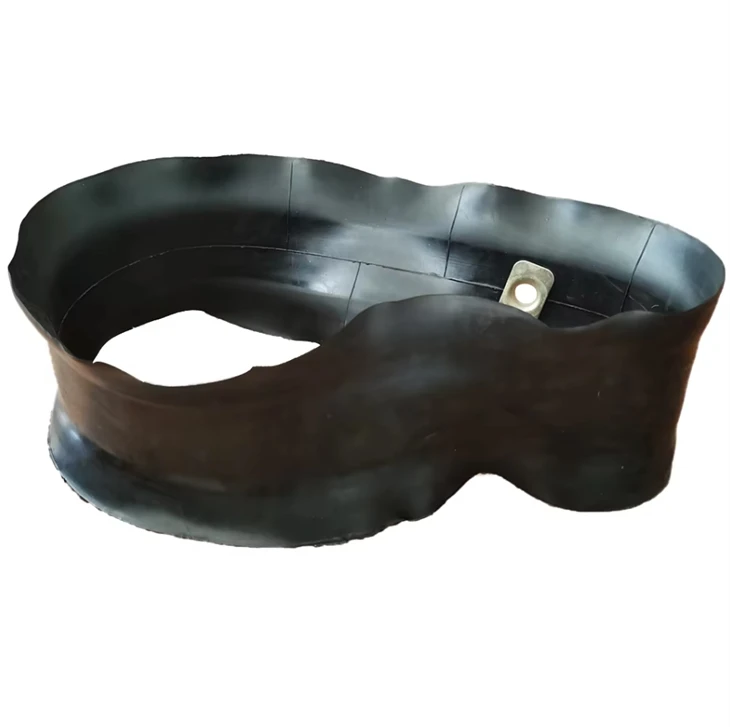
First off, what exactly is an industrial tire flap? Well, it's a thin piece of rubber that sits between the tire and the inner tube. Its main job is to protect the tube from chafing against the rim and any sharp edges inside the tire. This helps prevent flats and extends the life of both the tube and the tire.
Now, when it comes to the maximum load capacity of an industrial tire flap, there's no one - size - fits - all answer. It depends on several factors, and we'll go through each of them one by one.
1. Material Quality
The material used to make the tire flap plays a huge role. High - quality rubber compounds are designed to withstand more stress and pressure. For example, natural rubber has excellent elasticity and tear resistance. Our Natural Tire Tube Flap 16/70 - 20 is made from top - grade natural rubber. This kind of material can handle heavier loads compared to flaps made from lower - quality synthetic rubbers. Synthetic rubbers can be more cost - effective, but they might not have the same load - bearing capacity.
2. Flap Thickness
Thicker tire flaps generally have a higher load capacity. A thicker flap can distribute the load more evenly across its surface. When a heavy load is placed on a tire, the pressure is transferred to the flap. A thin flap might not be able to handle that pressure and could get damaged easily. On the other hand, a thick flap can absorb and disperse the force, reducing the risk of failure. However, it's important to find the right balance. If the flap is too thick, it can add unnecessary weight to the tire and affect its performance.
3. Tire Size and Type
The size and type of the tire also matter. Larger tires are usually designed to carry heavier loads, and the tire flap needs to be able to keep up. For instance, a forklift tire is much larger and has to support a significant amount of weight. Our Forklift Rubber Flap is specifically engineered to meet the high - load requirements of forklift tires. Different tire types, like those used for construction equipment or agricultural machinery, also have different load - bearing needs. The tire flap has to be compatible with the tire's design and intended use.
4. Operating Conditions
The environment in which the tire operates can impact the maximum load capacity of the flap. If the tire is used on rough terrain, the flap will face more shocks and vibrations. These can put extra stress on the flap and reduce its effective load capacity. Similarly, extreme temperatures can affect the rubber's properties. In very hot conditions, the rubber can become softer and more prone to damage. In cold weather, it can become brittle. So, when determining the maximum load capacity, we have to consider the typical operating conditions of the tire.
Calculating the Maximum Load Capacity
There isn't a simple formula to calculate the maximum load capacity of an industrial tire flap. Tire manufacturers usually provide guidelines based on their testing. They conduct a series of tests under different conditions to determine how much weight a tire and its associated flap can handle. These tests take into account all the factors we've discussed above.
As a supplier, we work closely with tire manufacturers to ensure that our tire flaps meet the required standards. We use the data provided by them to select the right materials and design the flaps for optimal performance. For example, if a tire is rated to carry a load of 5000 pounds, we'll make sure that the flap we recommend can handle at least that amount of weight under normal operating conditions.

Importance of Choosing the Right Load - Capacity Flap
Choosing a tire flap with the appropriate load capacity is crucial. If you use a flap that can't handle the load, it can lead to a number of problems. The most obvious one is a flat tire. When the flap fails, it can cause the inner tube to rub against the rim or sharp objects inside the tire, leading to a puncture. This not only disrupts your operations but also costs you money in terms of tire replacement and downtime.
On the other hand, using a flap with a much higher load capacity than necessary can be wasteful. You'll end up paying more for a flap that you don't really need. It can also add extra weight to the tire, which can affect fuel efficiency and the overall performance of the vehicle or equipment.
How We Can Help
As an industrial tire flap supplier, we have a wide range of products to meet different load - capacity requirements. We understand that every customer has unique needs, whether you're running a forklift fleet or operating heavy construction machinery. Our team of experts can help you choose the right tire flap for your specific application.
We offer detailed product information, including load - capacity ratings, material specifications, and compatibility with different tire sizes and types. We also provide technical support to answer any questions you might have. If you're not sure which flap is right for you, just give us a shout, and we'll guide you through the selection process.
In conclusion, the maximum load capacity of an industrial tire flap is determined by multiple factors, including material quality, thickness, tire size and type, and operating conditions. It's essential to choose the right flap to ensure the safety and efficiency of your operations. If you're in the market for industrial tire flaps, don't hesitate to reach out to us. We're here to help you make the best choice for your business.
References
- Tire and Rim Association Standards Manual
- Rubber Manufacturers Association Guidelines for Tire Flaps
- Technical Data from Major Tire Manufacturers