

Hey there! As an industrial tire flap supplier, I often get asked about the electrical conductivity of industrial tire flaps. It's a topic that might not seem super exciting at first glance, but it's actually pretty crucial, especially in certain industrial settings. So, let's dive right in and explore what the electrical conductivity of industrial tire flaps is all about.
First off, what exactly is electrical conductivity? In simple terms, it's a measure of how well a material can conduct an electric current. Materials with high electrical conductivity allow electrons to flow through them easily, while those with low conductivity are more resistant to the flow of electricity.
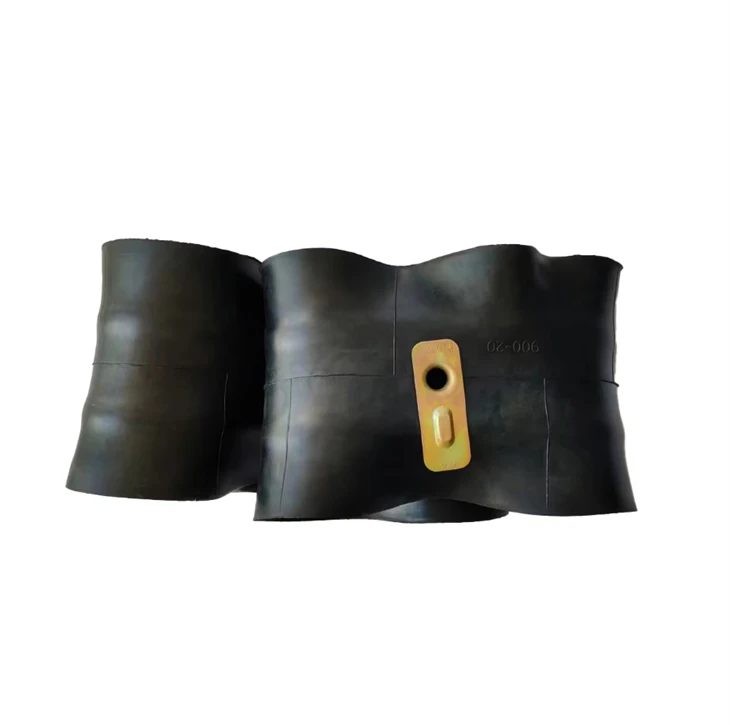
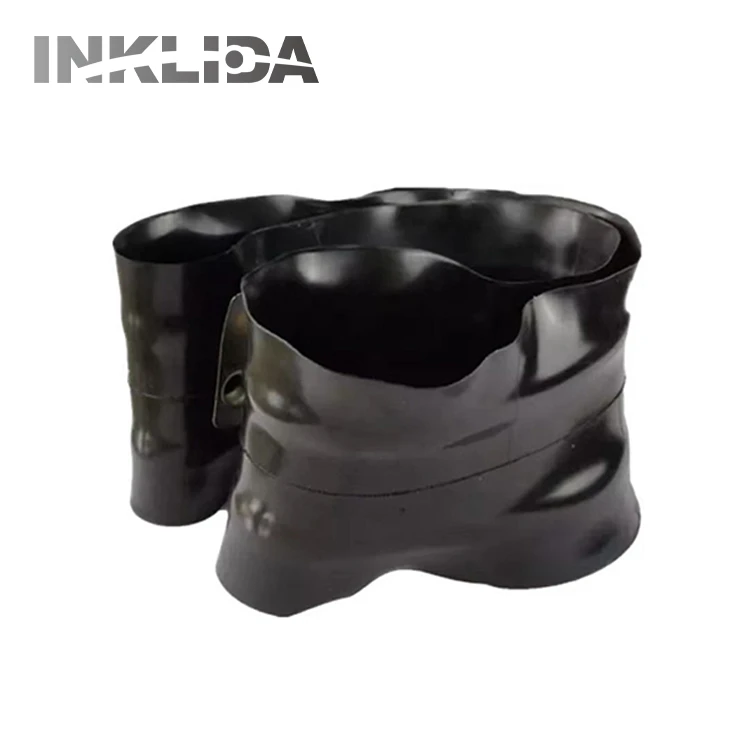
Now, when it comes to industrial tire flaps, the electrical conductivity can vary depending on a few factors. One of the main factors is the type of rubber used in the manufacturing process. Different types of rubber have different electrical properties. For example, natural rubber, which is commonly used in some tire flaps like the Natural Tire Tube Flap 16/70 - 20, has relatively low electrical conductivity. This is because natural rubber is an insulator, meaning it doesn't allow electricity to pass through it easily.
On the other hand, some synthetic rubbers can be formulated to have higher electrical conductivity. These types of rubber are often used in industrial tire flaps where static electricity buildup is a concern. Static electricity can be a real problem in industrial environments. It can cause sparks, which can be a fire hazard, especially in areas where there are flammable materials. It can also attract dust and debris, which can affect the performance of the equipment and even cause damage over time.
So, how do manufacturers increase the electrical conductivity of industrial tire flaps? One common method is to add conductive fillers to the rubber compound. These fillers can be things like carbon black or metal particles. When these fillers are added to the rubber, they create a network of conductive paths within the material, allowing electrons to flow more freely.
The amount of conductive filler added to the rubber can also affect the electrical conductivity of the tire flap. Generally, the more filler that is added, the higher the electrical conductivity will be. However, there's a balance to be struck here. Adding too much filler can make the rubber harder and more brittle, which can affect the durability and performance of the tire flap.
Another factor that can influence the electrical conductivity of industrial tire flaps is the manufacturing process. The way the rubber is mixed, molded, and cured can all have an impact on the final electrical properties of the product. For example, if the rubber is not mixed properly, the conductive filler may not be evenly distributed throughout the material, which can lead to inconsistent electrical conductivity.
Now, let's talk about some of the applications where the electrical conductivity of industrial tire flaps is important. One of the most common applications is in the automotive industry, especially in vehicles that are used in explosive or flammable environments. For example, forklifts that are used in warehouses where there are flammable chemicals or gases need to have tire flaps with good electrical conductivity to prevent static electricity buildup. That's where Forklift Rubber Flap comes in handy. These flaps are designed to safely dissipate static electricity, reducing the risk of sparks and potential fires.
In the mining industry, industrial tire flaps with high electrical conductivity are also essential. Mining equipment often operates in dusty and potentially explosive environments, and static electricity can be a major safety concern. By using tire flaps that can conduct electricity, the risk of static-related accidents can be significantly reduced.
So, how do you know if an industrial tire flap has the right electrical conductivity for your application? Well, the first step is to understand the requirements of your specific environment. If you're working in a potentially explosive area, you'll need tire flaps with a high level of electrical conductivity. You can look for products that are specifically designed for these types of applications and that meet relevant safety standards.
It's also a good idea to work with a reputable supplier, like me! I have a lot of experience in the industry and can help you choose the right industrial tire flaps for your needs. I can provide you with detailed information about the electrical conductivity of our products, as well as other important properties like durability, flexibility, and resistance to wear and tear.
When you're evaluating different industrial tire flaps, it's important to ask for test data. A good supplier should be able to provide you with information about the electrical conductivity of their products, as well as other performance characteristics. This data can help you make an informed decision and ensure that you're getting a product that will meet your requirements.
In conclusion, the electrical conductivity of industrial tire flaps is an important factor to consider, especially in industrial environments where static electricity buildup can be a safety hazard. By understanding the factors that influence electrical conductivity, such as the type of rubber, the addition of conductive fillers, and the manufacturing process, you can make a more informed decision when choosing industrial tire flaps.
If you're in the market for industrial tire flaps and have any questions about electrical conductivity or other properties, don't hesitate to reach out. I'm here to help you find the perfect solution for your needs. Whether you need Forklift Rubber Flap or Natural Tire Tube Flap 16/70 - 20, I've got you covered. Let's start a conversation and see how we can work together to meet your industrial tire flap needs.
References
- Rubber Technology Handbook, Werner Hofmann
- Industrial Rubber Products: Materials, Processing, and Applications, David A. Thomas