

Snow tubes are a popular choice for winter fun, whether you're hitting the slopes or just enjoying a day in the snow. As a snow tubes supplier, I often get asked about the heat resistance of these tubes. Understanding the heat resistance of snow tubes is crucial for ensuring their durability and safety, especially in various environmental conditions. In this blog, I'll delve into what heat resistance means for snow tubes, the factors that affect it, and how it impacts the performance of our products.
What is Heat Resistance in Snow Tubes?
Heat resistance refers to the ability of a snow tube to withstand high temperatures without significant degradation in its physical properties. Snow tubes are typically made from materials like PVC (polyvinyl chloride) or TPU (thermoplastic polyurethane). These materials have different heat resistance capabilities, which determine how well the tube can handle heat.
PVC is a common material used in snow tubes due to its affordability and relatively good durability. However, PVC has a lower heat resistance compared to TPU. When exposed to high temperatures, PVC can become soft and lose its shape, which can affect the tube's performance and safety. TPU, on the other hand, has a higher heat resistance and is more flexible at lower temperatures. It can withstand higher temperatures without losing its structural integrity, making it a better choice for snow tubes in areas with warmer winters or for tubes that may be exposed to direct sunlight for extended periods.
Factors Affecting the Heat Resistance of Snow Tubes
Several factors can affect the heat resistance of snow tubes. These include the material composition, thickness of the tube, and the external environment.
- Material Composition: As mentioned earlier, the type of material used in the snow tube plays a significant role in its heat resistance. PVC tubes are more prone to heat damage compared to TPU tubes. Additionally, the quality of the material can also impact heat resistance. Higher-quality materials are often more heat-resistant and can withstand higher temperatures without degrading.
- Thickness of the Tube: The thickness of the snow tube can also affect its heat resistance. Thicker tubes generally have better heat resistance because they provide more insulation and are less likely to be affected by external heat sources. However, thicker tubes may also be heavier and less flexible, which can impact the tube's performance on the snow.
- External Environment: The external environment can have a significant impact on the heat resistance of snow tubes. Tubes that are exposed to direct sunlight for extended periods are more likely to heat up and may experience heat damage. Additionally, tubes used in areas with warmer winters or in indoor snow parks may be exposed to higher temperatures, which can also affect their heat resistance.
Impact of Heat Resistance on Snow Tube Performance
The heat resistance of snow tubes can have a significant impact on their performance. When a snow tube is exposed to high temperatures, it can become soft and lose its shape, which can affect its ability to glide smoothly on the snow. This can make the tube less stable and more difficult to control, increasing the risk of accidents.
In addition to affecting the tube's performance on the snow, heat damage can also reduce the tube's lifespan. Over time, repeated exposure to high temperatures can cause the material to degrade, leading to cracks, tears, and other forms of damage. This can make the tube unsafe to use and may require it to be replaced.
Ensuring the Heat Resistance of Our Snow Tubes
As a snow tubes supplier, we take several steps to ensure the heat resistance of our products. We carefully select the materials used in our tubes, opting for high-quality PVC and TPU that have good heat resistance properties. We also use advanced manufacturing techniques to ensure that our tubes are thick enough to provide adequate insulation and heat resistance.
In addition to using high-quality materials, we also test our tubes to ensure that they meet our strict quality standards. We subject our tubes to a series of heat tests to simulate real-world conditions and ensure that they can withstand high temperatures without significant degradation. This allows us to identify any potential issues and make necessary adjustments to our manufacturing process to improve the heat resistance of our tubes.
Our Snow Tube Products
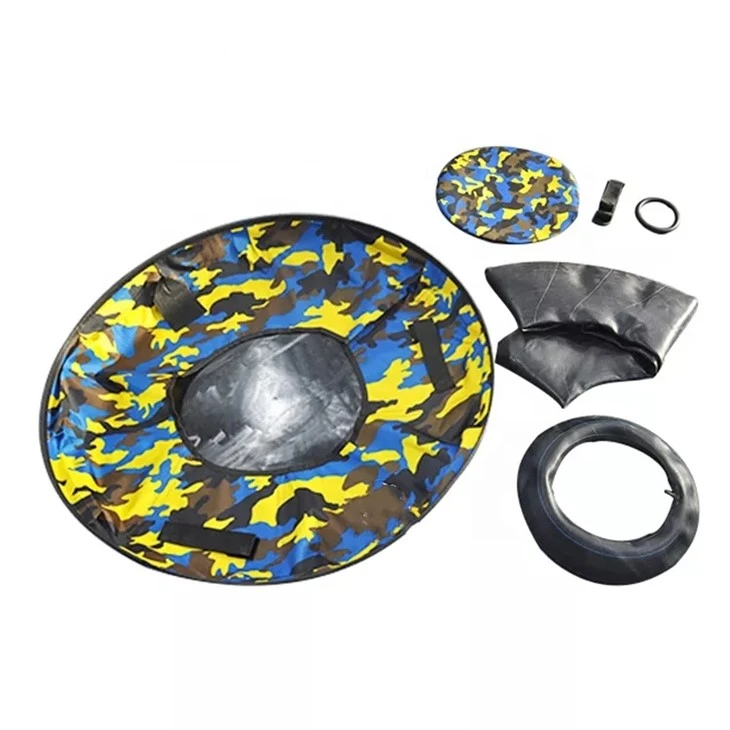
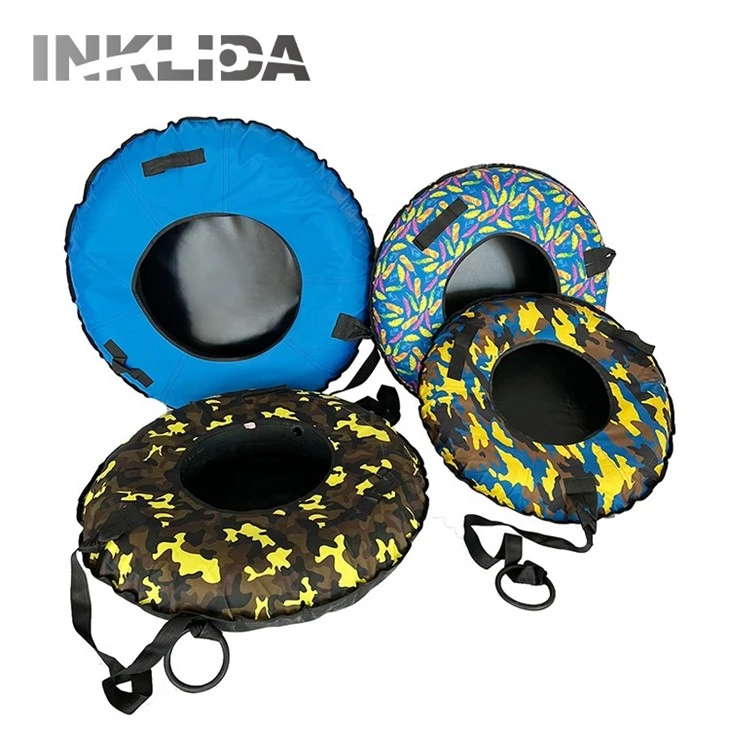
We offer a wide range of snow tubes to meet the needs of our customers. Our 100cm Snow Tube is a popular choice for families and individuals looking for a fun and safe way to enjoy the snow. Made from high-quality PVC, this tube is thick enough to provide good heat resistance and durability. It also features a reinforced bottom for added strength and stability.
Our 41inch Winter Inflatable Snow Tube is another great option for winter fun. This tube is made from TPU, which has a higher heat resistance and is more flexible at lower temperatures. It also features a double-layer design for added durability and safety.
For customers who need a custom snow tube, we offer our 80cm Custom Snow Tube. This tube can be customized with your logo or design, making it a great promotional item or gift. We use high-quality materials and advanced manufacturing techniques to ensure that our custom tubes have good heat resistance and durability.
Contact Us for Snow Tube Procurement
If you're interested in purchasing snow tubes for your winter activities or business, we'd love to hear from you. Our team of experts can help you choose the right snow tubes for your needs and provide you with competitive pricing and excellent customer service. Whether you're looking for a single tube for personal use or a large order for your business, we can accommodate your needs.
Contact us today to discuss your snow tube procurement needs and take the first step towards enjoying a fun and safe winter season.
References
- ASTM International. (2023). Standard Specification for Inflatable Snow Tubes. Retrieved from ASTM website.
- Plastic Pipe and Fittings Association. (2023). Properties of PVC and TPU. Retrieved from PPFA website.