

Hey there, fellow motorcycle enthusiasts! As a motorcycle tire supplier, I've seen it all when it comes to tire tread patterns. And one of the most crucial aspects riders often overlook is the tread pattern designed for wet conditions. Today, I'm gonna break down what makes a great tread pattern for riding in the rain and how it can keep you safe on the road.
Let's start with the basics. When you're riding in wet conditions, the main challenge is to keep your tires in contact with the road surface. Water on the road creates a layer between the tire and the asphalt, which can lead to hydroplaning. Hydroplaning is when your tires lose contact with the road and start to ride on top of the water, making it extremely difficult to control your bike. That's where the right tread pattern comes in.
A good tread pattern for wet conditions is designed to channel water away from the tire's contact patch. This helps to maintain grip and prevent hydroplaning. There are a few key features to look for in a wet-weather tread pattern:
Grooves and Channels
The most obvious feature of a wet-weather tread pattern is the presence of grooves and channels. These are the deep, narrow cuts in the tire's surface that run in various directions. The purpose of these grooves is to provide a path for water to escape from under the tire. When your tire rolls over a wet surface, the water is forced into the grooves and channels, which then carry it away from the contact patch. This helps to keep the tire in contact with the road and reduces the risk of hydroplaning.
The size and shape of the grooves and channels can vary depending on the type of tire and the intended use. For example, tires designed for high-speed riding in wet conditions may have larger, more aggressive grooves to quickly channel water away. On the other hand, tires designed for more casual riding may have smaller, more closely spaced grooves for a smoother ride.
Sipes
Sipes are small, thin cuts in the tire's tread blocks. They are typically much shallower than the grooves and channels and are designed to increase the tire's flexibility and grip on wet surfaces. Sipes work by creating additional edges in the tread block, which helps to bite into the water and improve traction. They also help to reduce the tire's stiffness, which can improve handling and comfort.
Sipes are especially important in tires designed for wet conditions because they can help to maintain grip even when the tire is worn. As the tire wears, the tread depth decreases, and the grooves and channels become shallower. This can reduce the tire's ability to channel water away and increase the risk of hydroplaning. However, sipes can help to compensate for the loss of tread depth by providing additional grip and traction.
Tread Block Design
The design of the tread blocks also plays an important role in a tire's performance in wet conditions. Tread blocks are the raised sections of the tire's surface that come into contact with the road. The shape, size, and arrangement of the tread blocks can affect the tire's grip, handling, and water evacuation.
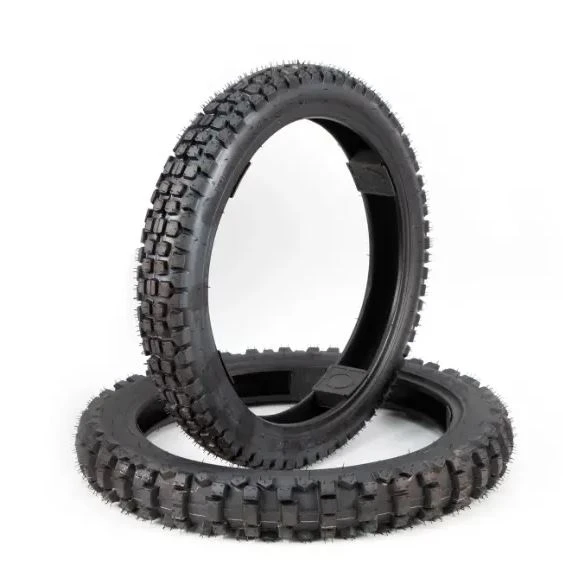
For example, tires with large, blocky tread patterns may provide better grip on dry surfaces but may not perform as well in wet conditions. This is because the large tread blocks can trap water and reduce the tire's ability to channel it away. On the other hand, tires with smaller, more closely spaced tread blocks may provide better water evacuation and grip in wet conditions but may not be as stable on dry surfaces.
Directional Tread Patterns
Some tires are designed with a directional tread pattern. This means that the tread pattern is designed to rotate in only one direction. Directional tread patterns are typically used in high-performance tires and are designed to provide maximum grip and water evacuation in wet conditions.
The advantage of a directional tread pattern is that it can be optimized for a specific direction of rotation. This allows the grooves and channels to be designed to channel water away from the tire in the most efficient way possible. However, it's important to note that directional tires must be installed in the correct direction of rotation. If they are installed incorrectly, they may not perform as well in wet conditions and may even be dangerous.
Now that we've covered the basics of wet-weather tread patterns, let's take a look at some of the different types of motorcycle tires that are available for wet conditions:
Classic Motorcycle Tire
If you're a fan of classic motorcycles, you'll want to check out our Classic Motorcycle Tire. These tires are designed to provide a classic look and feel while also offering excellent performance in wet conditions. They feature a traditional tread pattern with deep grooves and channels to channel water away from the tire and reduce the risk of hydroplaning.
Sport Moto Tire
For riders who demand the ultimate in performance, our Sport Moto Tire is the perfect choice. These tires are designed for high-speed riding and offer excellent grip and handling in both wet and dry conditions. They feature a directional tread pattern with large, aggressive grooves and channels to quickly channel water away from the tire and provide maximum grip.
17inch Electric Motorcycle Tubeless Tyre
If you ride an electric motorcycle, you'll want to check out our 17inch Electric Motorcycle Tubeless Tyre. These tires are designed specifically for electric motorcycles and offer excellent performance in wet conditions. They feature a unique tread pattern with a combination of grooves and sipes to provide maximum grip and water evacuation.
In conclusion, choosing the right tire tread pattern for wet conditions is crucial for your safety and performance on the road. By understanding the key features of a wet-weather tread pattern and choosing the right type of tire for your needs, you can ensure that you have the grip and control you need to ride safely in the rain.
If you're interested in learning more about our motorcycle tires or would like to discuss your specific needs, please don't hesitate to contact us. We're here to help you find the perfect tire for your bike and your riding style. Let's work together to keep you safe on the road!

References
- Motorcycle Tire Handbook, Michelin
- Tires 101: Understanding Tread Patterns, Dunlop