

Hey there! As an OTR inner tubes supplier, I've seen firsthand the importance of proper inflation in these heavy - duty tubes. Today, I want to chat about what happens when OTR inner tubes are under - inflated.
First off, let's understand what OTR (Off - the - Road) inner tubes are. They're designed for vehicles that operate in tough off - road conditions, like construction equipment, mining trucks, and agricultural machinery. These tubes need to withstand a lot of pressure and stress, and proper inflation is key to their performance.
1. Reduced Tire Life
One of the most significant impacts of under - inflated OTR inner tubes is a sharp reduction in tire life. When the inner tube doesn't have enough air pressure, the tire doesn't sit on the ground properly. The tire's footprint on the road or terrain becomes uneven. The edges of the tire tend to bear more weight than the center. This uneven wear means that the tire will wear out much faster than it should. For example, a properly inflated tire might last for several thousand hours of operation in a mining environment. But an under - inflated one could start showing signs of excessive wear within a few hundred hours. This not only means more frequent tire replacements but also higher costs for the end - user. If you're in the market for a reliable OTR inner tube, check out our 25 Inch Inner Tube for OTR Tyre. It's built to last and perform well under proper inflation.
2. Decreased Fuel Efficiency
Under - inflated OTR inner tubes also have a big impact on fuel efficiency. When the tire is under - inflated, it creates more rolling resistance. Rolling resistance is the force that resists the motion of the tire as it rolls on the surface. With an under - inflated tube, the tire has to work harder to move forward. This extra effort requires more fuel to be burned by the vehicle's engine. In industries where fuel costs are a major expense, like long - haul mining operations or large - scale agriculture, this can add up to a significant amount of money over time. Just think about a large mining truck that consumes hundreds of liters of fuel per day. Even a small increase in rolling resistance due to under - inflated inner tubes can result in a substantial increase in daily fuel costs.
3. Increased Risk of Blowouts
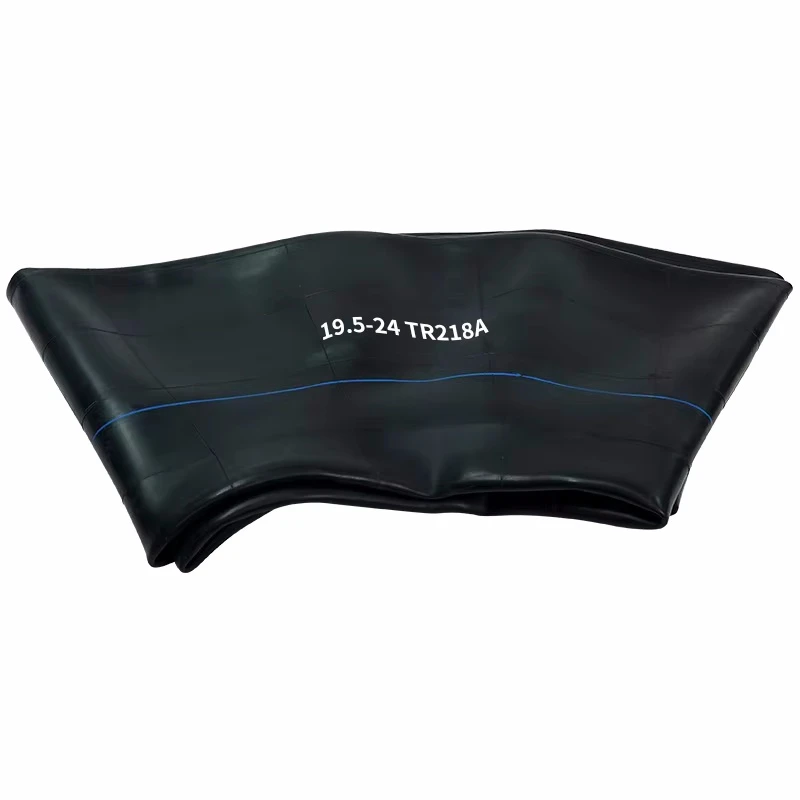
Another serious consequence of under - inflated OTR inner tubes is an increased risk of blowouts. When the tube is under - inflated, the tire sidewalls flex more than they're designed to. This excessive flexing generates a lot of heat. Heat is the enemy of rubber, and over time, the heat can cause the rubber in the tire and inner tube to break down. As the rubber deteriorates, the structural integrity of the tire is compromised. Eventually, this can lead to a blowout. A blowout on an off - road vehicle can be extremely dangerous, especially in a mining or construction site where large and heavy equipment is in operation. It can cause the vehicle to lose control, potentially leading to accidents and injuries. To avoid such risks, it's crucial to use high - quality inner tubes like our OTR Tire Inner Tube 17.5 - 25 TRJ1175C and maintain proper inflation.
4. Poor Vehicle Handling
Under - inflated OTR inner tubes can also negatively affect vehicle handling. When the tires aren't properly inflated, the vehicle doesn't respond as it should to steering inputs. The steering becomes less precise, and the vehicle may feel more difficult to control. In a construction site, where a backhoe needs to make precise movements to dig and load materials, poor handling due to under - inflated inner tubes can slow down operations and increase the risk of errors. For backhoe operators, using a well - inflated Backhoe Tire Inner Tube is essential for smooth and safe operation.
5. Higher Maintenance Costs
As a result of the issues mentioned above, under - inflated OTR inner tubes lead to higher maintenance costs. More frequent tire replacements, increased fuel consumption, and the need to deal with blowouts and handling problems all contribute to a higher overall cost of vehicle ownership. Maintenance teams have to spend more time and resources on inspecting, repairing, and replacing tires and inner tubes. This not only costs money but also takes the vehicle out of operation for longer periods, reducing productivity.
How to Prevent Under - Inflation
Now that we've discussed the impacts of under - inflated OTR inner tubes, let's talk about how to prevent it. First and foremost, regular tire pressure checks are essential. Operators should be trained to check the tire pressure before each shift or at least on a daily basis. It's also important to use a reliable tire pressure gauge. A cheap or inaccurate gauge can give false readings, leading to under - or over - inflation.
Secondly, proper storage of inner tubes is crucial. Inner tubes should be stored in a cool, dry place away from direct sunlight and sources of heat. Exposure to heat and sunlight can cause the rubber to deteriorate over time, making the tube more prone to problems even if it's properly inflated.
Finally, using high - quality inner tubes from a reputable supplier is key. At our company, we take pride in providing top - notch OTR inner tubes that are designed to withstand the toughest off - road conditions. Our tubes are made from high - grade rubber and are rigorously tested to ensure they meet the highest standards of quality and performance.
If you're in the market for OTR inner tubes and want to avoid the problems associated with under - inflation, we'd love to talk to you. Whether you're a small - scale agricultural business or a large mining corporation, we have the right inner tubes for your needs. Reach out to us to start a conversation about your requirements and how we can help you get the most out of your off - road vehicles.
References
- "Tire Technology Handbook" by Rubber Manufacturers Association
- "Off - Road Vehicle Maintenance and Safety Guide" by National Off - Road Vehicle Association