

Off the road (OTR) tires are designed to operate in some of the most challenging environments, from construction sites to mines and agricultural fields. One of the critical factors that affect the performance, safety, and lifespan of OTR tires is the inflation pressure. In this blog, as an OTR tire supplier, I'll explore what the recommended inflation pressure for off the road tires is and why it matters.
Understanding the Basics of Tire Inflation Pressure
Tire inflation pressure refers to the amount of air inside a tire, measured in pounds per square inch (PSI) or kilopascals (kPa). Maintaining the correct inflation pressure is essential for several reasons. Firstly, it ensures proper contact between the tire and the ground, which is crucial for traction, handling, and stability. Secondly, it helps to distribute the vehicle's weight evenly across the tire's tread, reducing wear and tear and extending the tire's lifespan. Thirdly, correct inflation pressure can improve fuel efficiency by reducing rolling resistance.
Factors Affecting the Recommended Inflation Pressure
The recommended inflation pressure for OTR tires is not a one - size - fits - all value. It is influenced by several factors:
1. Tire Size and Type
Different tire sizes and types have different load - carrying capacities and design characteristics, which require specific inflation pressures. For example, larger OTR tires used in mining operations typically need higher inflation pressures to support the heavy loads they carry. Our Mining OTR TIRES E3 L3 are designed for the harsh mining environment, and the recommended inflation pressure will be determined by their specific size and the load they are expected to handle.
2. Load
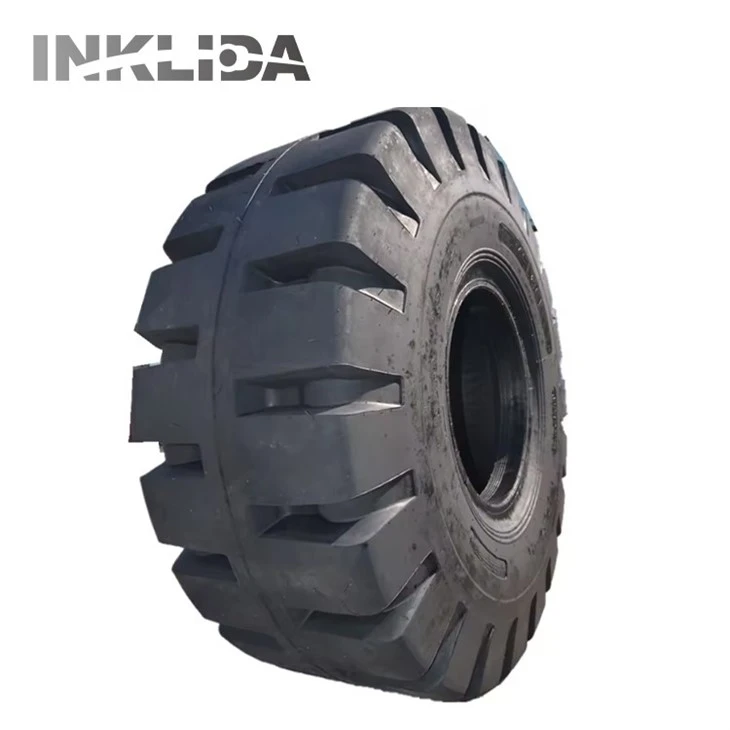
The amount of weight the tire is carrying is a significant factor. The more weight a tire has to support, the higher the inflation pressure needs to be. Overloading a tire without increasing the inflation pressure can lead to excessive heat buildup, premature wear, and even tire failure. For instance, a loader or dozer operating in a construction site may carry heavy loads, and the Loader and Dozer Tire L5 used on these machines must be inflated to the appropriate pressure according to the load.

3. Operating Conditions
The type of terrain and the speed at which the vehicle is operating also impact the recommended inflation pressure. Tires operating on rough, uneven terrain may require a different inflation pressure compared to those on smooth surfaces. Off - road vehicles often encounter various obstacles, and adjusting the inflation pressure can help improve traction and reduce the risk of punctures. For example, in a rocky mining area, a slightly lower inflation pressure may provide better shock absorption, while on a hard - packed dirt road, a higher pressure may be more suitable for better fuel efficiency.
4. Temperature
Temperature changes can cause the air inside the tire to expand or contract, affecting the inflation pressure. In hot weather, the air in the tire expands, increasing the pressure, while in cold weather, the pressure decreases. It is important to check and adjust the inflation pressure regularly, especially when there are significant temperature fluctuations.
How to Determine the Recommended Inflation Pressure
As an OTR tire supplier, we provide detailed information about the recommended inflation pressure for each of our tire products. This information can usually be found in the tire's technical documentation, on the sidewall of the tire, or on our official website.
Tire Manufacturer's Recommendations
The tire manufacturer's recommendations are the most reliable source of information. We conduct extensive testing to determine the optimal inflation pressure for each tire based on its design, size, and intended use. Our engineering team takes into account all the factors mentioned above to ensure that our customers get the best performance and safety from our tires.
Load and Inflation Tables
Load and inflation tables are another useful tool. These tables provide a clear relationship between the load a tire can carry and the corresponding recommended inflation pressure. By referring to these tables, customers can easily determine the correct inflation pressure for their specific application.
The Consequences of Incorrect Inflation Pressure
Maintaining the correct inflation pressure is not just a matter of performance; it also has significant safety implications.
Under - inflation
Under - inflating an OTR tire can lead to a variety of problems. The tire will have a larger contact area with the ground, which increases rolling resistance. This, in turn, reduces fuel efficiency and causes the tire to overheat. Overheating can damage the tire's internal structure, leading to premature wear, tread separation, and even blowouts. Additionally, under - inflated tires are more prone to punctures and sidewall damage, especially in off - road conditions.
Over - inflation
Over - inflating a tire reduces the tire's contact area with the ground, which can lead to poor traction and handling. The center of the tread will wear more quickly than the edges, reducing the tire's lifespan. Over - inflated tires are also more susceptible to damage from impacts, such as hitting rocks or potholes, as they have less flexibility to absorb the shock.
Importance of Regular Pressure Checks
Regularly checking the inflation pressure of OTR tires is crucial. It is recommended to check the pressure at least once a week or before each use, especially for vehicles that operate in demanding off - road conditions. Using a reliable tire pressure gauge, operators can ensure that the tires are inflated to the correct pressure.
In addition to regular checks, it is also important to maintain a record of the inflation pressure. This can help identify any trends, such as gradual pressure loss, which may indicate a leak or other issues with the tire.
Our OTR Tires and Inflation Pressure Support
As an OTR tire supplier, we are committed to providing our customers with high - quality tires and comprehensive support. Our Span Carries Tire L3 are designed to meet the diverse needs of off - road applications, and we provide detailed information about the recommended inflation pressure for each product.
Our customer service team is always ready to assist our customers with any questions regarding tire inflation pressure. We can provide on - site training for operators on how to check and adjust the inflation pressure correctly. We also offer technical support to help customers troubleshoot any issues related to tire performance and inflation.
Conclusion
In conclusion, the recommended inflation pressure for off the road tires is a complex but crucial aspect of tire management. It is influenced by factors such as tire size, load, operating conditions, and temperature. Maintaining the correct inflation pressure is essential for ensuring the performance, safety, and lifespan of OTR tires.
As an OTR tire supplier, we are dedicated to providing our customers with the best products and support. If you are in the market for high - quality off the road tires and need guidance on inflation pressure or any other tire - related issues, we encourage you to contact us for a detailed discussion and potential procurement. Our team of experts is eager to work with you to find the most suitable solutions for your off - road operations.
References
- Tire and Rim Association (TRA) Standards
- European Tyre and Rim Technical Organisation (ETRTO) Guidelines
- Manufacturer's Technical Documentation for OTR Tires