

Hey there! As an industrial tire flap supplier, I get asked a lot about the chemical resistance of our products. It's a super important topic, especially when you're dealing with industrial settings where tires and tire flaps are exposed to all sorts of chemicals. So, let's dive right in and talk about what chemical resistance means for industrial tire flaps.
First off, what exactly is chemical resistance? In simple terms, it's the ability of a material to withstand the effects of chemicals without significant degradation or damage. For industrial tire flaps, this is crucial because they can come into contact with a wide range of substances, including oils, fuels, solvents, and various industrial chemicals.
Now, let's talk about the different types of chemicals that industrial tire flaps might encounter. One of the most common is oil. Whether it's engine oil, hydraulic oil, or lubricating oil, oil can be a real problem for tire flaps. If a tire flap isn't resistant to oil, it can start to swell, become soft, and lose its structural integrity. This can lead to premature wear and failure of the tire flap, which is obviously not good news for anyone.
Fuels are another major concern. Gasoline, diesel, and other fuels can be extremely corrosive to certain materials. When a tire flap is exposed to fuel, it can cause the rubber to break down, leading to cracks, leaks, and other issues. This not only affects the performance of the tire flap but can also pose a safety risk.
Solvents are yet another type of chemical that industrial tire flaps may come across. Solvents are used in a variety of industrial processes, and they can be very aggressive towards rubber. Some solvents can dissolve rubber, while others can cause it to become brittle and crack. It's important to choose a tire flap that is resistant to the specific solvents that it will be exposed to.
So, how do we ensure that our industrial tire flaps have good chemical resistance? Well, it all starts with the materials we use. We carefully select high-quality rubber compounds that are specifically formulated to resist the effects of chemicals. These rubber compounds are tested extensively in our labs to make sure they meet our strict standards for chemical resistance.
In addition to using the right materials, we also pay close attention to the manufacturing process. We use advanced manufacturing techniques to ensure that the tire flaps are made with consistent quality and performance. This includes proper curing, vulcanization, and other processes that help to enhance the chemical resistance of the rubber.
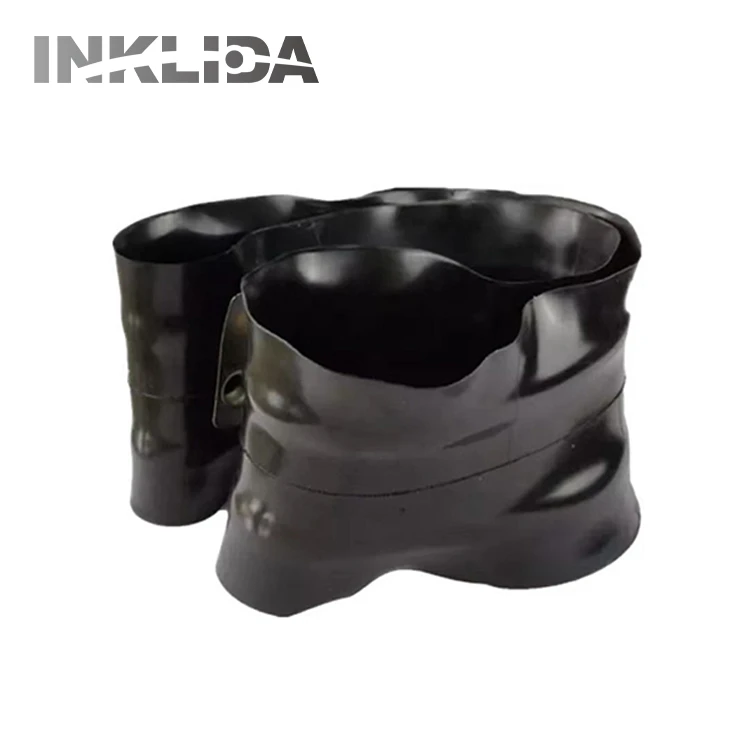
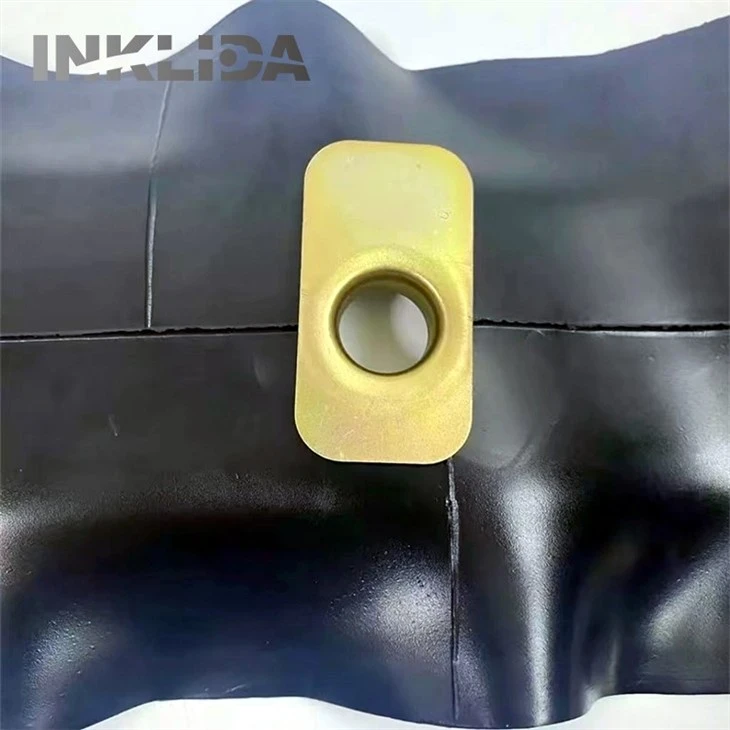
Another factor that affects the chemical resistance of industrial tire flaps is the thickness and design of the flap. Thicker flaps generally have better chemical resistance because they provide more material between the tire and the chemical. The design of the flap can also play a role. For example, a flap with a smooth surface is less likely to trap chemicals than a flap with a rough or textured surface.
Now, let's take a look at some of the specific products we offer and their chemical resistance properties. One of our popular products is the Forklift Rubber Flap. This flap is designed specifically for forklifts and other industrial vehicles. It is made from a high-quality rubber compound that has excellent resistance to oils, fuels, and solvents. This makes it ideal for use in environments where these chemicals are commonly present.
Another product we offer is the Natural Tire Tube Flap 16/70-20. This flap is made from natural rubber, which has good chemical resistance properties. It is suitable for use in a variety of industrial applications where the exposure to chemicals is not too severe.
Of course, the chemical resistance of our industrial tire flaps also depends on how they are used and maintained. It's important to follow the manufacturer's recommendations for installation, use, and maintenance. This includes proper cleaning, storage, and inspection of the tire flaps. By taking good care of the tire flaps, you can help to ensure that they last as long as possible and continue to provide good chemical resistance.
In conclusion, chemical resistance is a critical factor to consider when choosing industrial tire flaps. As a supplier, we are committed to providing high-quality tire flaps that have excellent chemical resistance properties. Our products are designed to withstand the harsh conditions of industrial environments and to provide reliable performance over a long period of time.
If you're in the market for industrial tire flaps and have any questions about chemical resistance or any other aspect of our products, please don't hesitate to reach out. We're here to help you find the right tire flaps for your specific needs. Whether you're a small business or a large industrial operation, we can provide you with the products and support you need to keep your equipment running smoothly.
So, if you're looking for high-quality industrial tire flaps with excellent chemical resistance, give us a call or send us an email. We'd love to hear from you and help you find the perfect solution for your business.
References
- ASTM International. (2023). Standard Test Methods for Rubber Property - Resistance to Liquids. ASTM D471.
- Rubber Manufacturers Association. (2022). Chemical Resistance Guide for Rubber Products.