

What is the tensile strength of a farm inner tube?
As a supplier of farm inner tubes, I often get asked about the tensile strength of our products. Tensile strength is a crucial property when it comes to inner tubes, especially those used in farm applications. In this blog post, I'll delve into what tensile strength means for farm inner tubes, why it matters, and how it impacts the performance and durability of these essential components.
Understanding Tensile Strength
Tensile strength refers to the maximum amount of tensile (pulling) stress that a material can withstand before breaking or failing. In the context of farm inner tubes, it's the measure of how much force the tube can handle when it's stretched or pulled during normal use. This is important because farm inner tubes are subjected to a variety of stresses, including inflation pressure, the weight of the vehicle or equipment they're used on, and the friction and forces generated during movement.
The tensile strength of a farm inner tube is typically measured in pounds per square inch (psi) or megapascals (MPa). A higher tensile strength indicates that the inner tube can withstand greater forces without rupturing or deforming. This is particularly important in farm settings, where inner tubes may be exposed to rough terrain, heavy loads, and other challenging conditions.
Why Tensile Strength Matters in Farm Applications
In the farm environment, inner tubes play a vital role in ensuring the smooth operation of various vehicles and equipment. From tractors and trailers to hand carts and other implements, farm inner tubes are responsible for supporting the weight of the load and providing a cushioning effect to absorb shocks and vibrations.
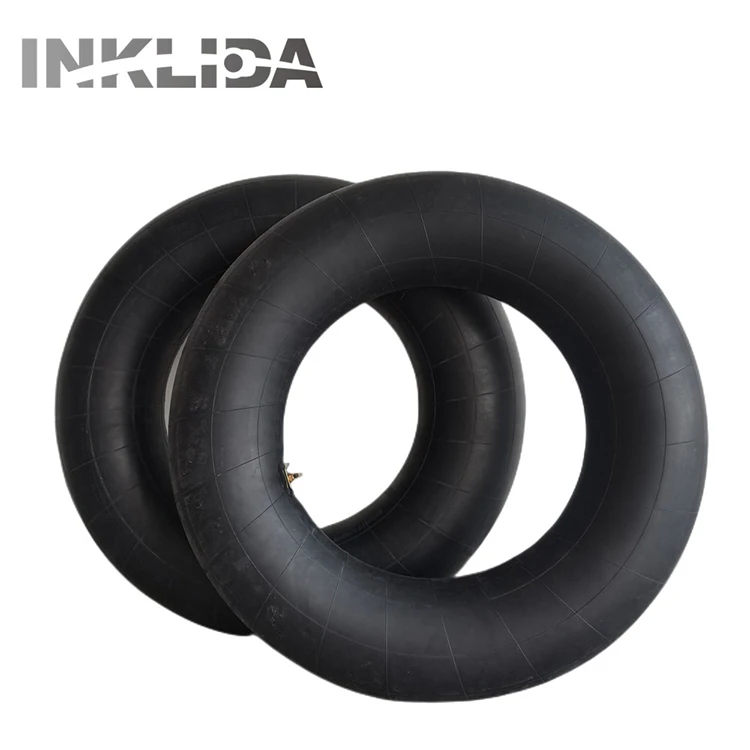
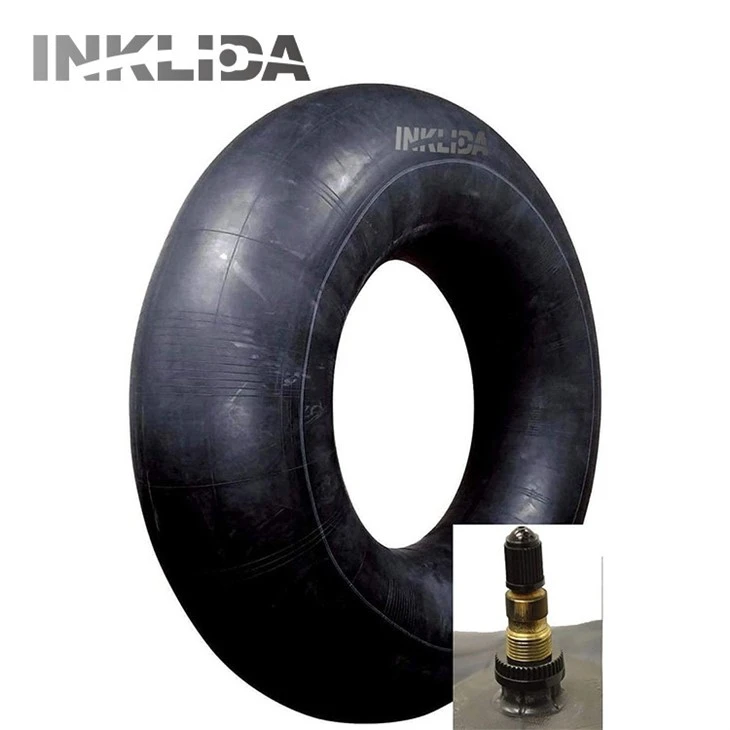
A farm inner tube with high tensile strength offers several benefits. Firstly, it provides greater durability and reliability. Inner tubes with higher tensile strength are less likely to burst or develop leaks, even when subjected to high pressures or rough handling. This means fewer downtime and maintenance costs for farmers, as they won't have to replace inner tubes as frequently.
Secondly, high tensile strength inner tubes can handle heavier loads. In farm applications, it's common for vehicles and equipment to carry large amounts of weight, such as crops, fertilizers, or machinery. Inner tubes with sufficient tensile strength can support these heavy loads without failing, ensuring the safety and efficiency of the operation.
Finally, farm inner tubes with good tensile strength are more resistant to punctures and cuts. In the farm environment, inner tubes are often exposed to sharp objects such as rocks, thorns, and debris. A strong inner tube is better able to withstand these hazards, reducing the risk of flats and other tire-related issues.
Factors Affecting the Tensile Strength of Farm Inner Tubes
Several factors can influence the tensile strength of farm inner tubes. These include the materials used in their construction, the manufacturing process, and the design of the inner tube.
Materials: The type of rubber used in the inner tube is a major determinant of its tensile strength. High-quality natural rubber or synthetic rubber compounds are often used to manufacture farm inner tubes, as they offer excellent strength and durability. Additionally, the addition of reinforcing materials such as nylon or polyester cords can further enhance the tensile strength of the inner tube.
Manufacturing Process: The manufacturing process also plays a crucial role in determining the tensile strength of farm inner tubes. Proper mixing of the rubber compounds, precise molding, and vulcanization are essential steps in ensuring the integrity and strength of the inner tube. A well-manufactured inner tube will have a uniform structure and consistent properties, resulting in higher tensile strength.
Design: The design of the inner tube can also affect its tensile strength. Inner tubes with thicker walls or additional layers of reinforcement are generally stronger and more resistant to punctures and tears. Additionally, the shape and size of the inner tube can influence its ability to withstand forces. For example, a properly sized inner tube that fits snugly within the tire will distribute the load more evenly, reducing the stress on the tube and improving its overall strength.
Our Farm Inner Tube Offerings
As a supplier of farm inner tubes, we offer a wide range of products with varying tensile strengths to meet the diverse needs of our customers. Our Hand Cart Inner Tube is designed for light-duty applications, such as small hand carts and garden tools. These inner tubes are made from high-quality rubber compounds and feature a reinforced design to provide good tensile strength and durability.
For larger vehicles and equipment, we offer 38 Inch Inner Tube and 28 Inch Farm Tire Tube. These inner tubes are engineered to handle heavy loads and rough terrain, with high tensile strength and excellent puncture resistance. They are made from premium rubber materials and are designed to provide long-lasting performance in the toughest farm conditions.
Conclusion
In conclusion, the tensile strength of a farm inner tube is a critical factor that determines its performance, durability, and reliability in farm applications. A farm inner tube with high tensile strength can withstand greater forces, handle heavier loads, and resist punctures and cuts, ensuring the smooth operation of vehicles and equipment.
As a farm inner tube supplier, we understand the importance of providing our customers with high-quality products that meet their specific needs. Our range of farm inner tubes is designed to offer excellent tensile strength and durability, ensuring that farmers can rely on our products to get the job done.
If you're in the market for farm inner tubes, we encourage you to contact us to discuss your requirements. Our team of experts is available to provide you with detailed information about our products and help you choose the right inner tubes for your farm vehicles and equipment. We look forward to working with you to meet your farm inner tube needs.
References
- ASTM D412 - Standard Test Methods for Vulcanized Rubber and Thermoplastic Elastomers - Tension
- ISO 37 - Rubber, vulcanized or thermoplastic - Determination of tensile stress-strain properties