

Hey there! I'm a supplier of tire flaps, and I often get asked about what kind of paint is suitable for these bad boys. Well, let's dive right in and figure this out together.
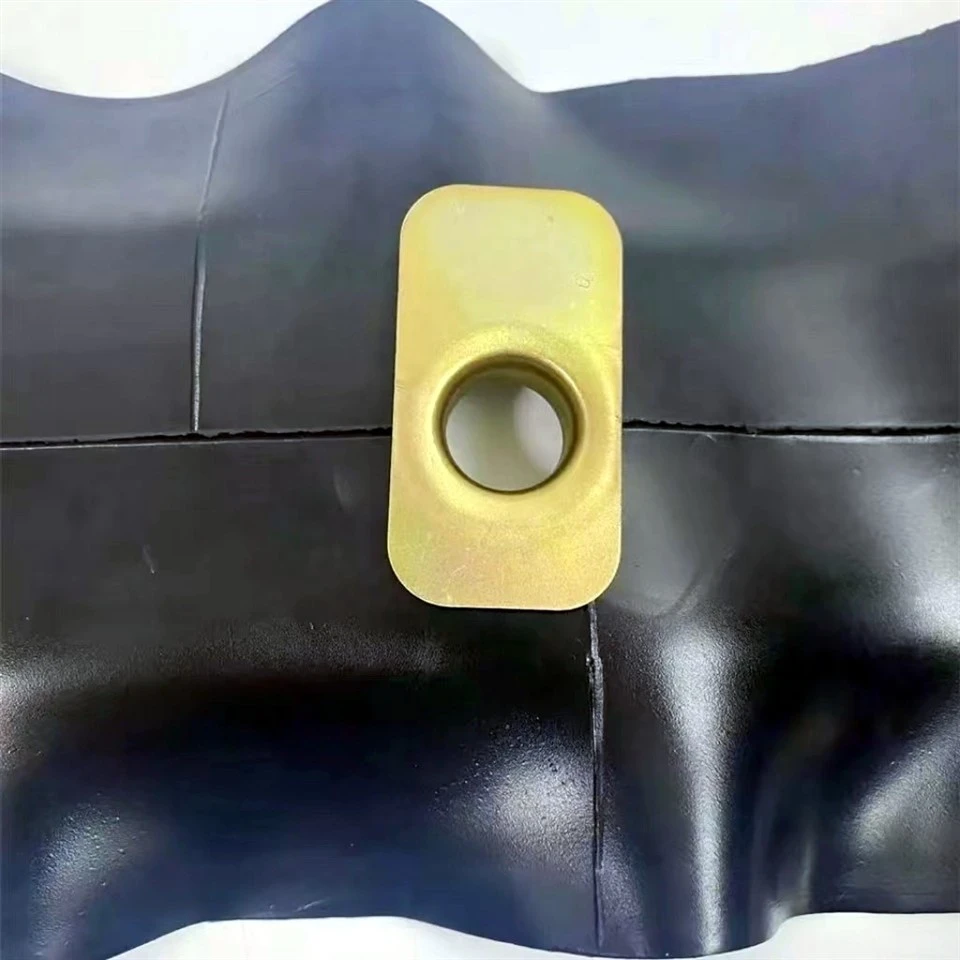
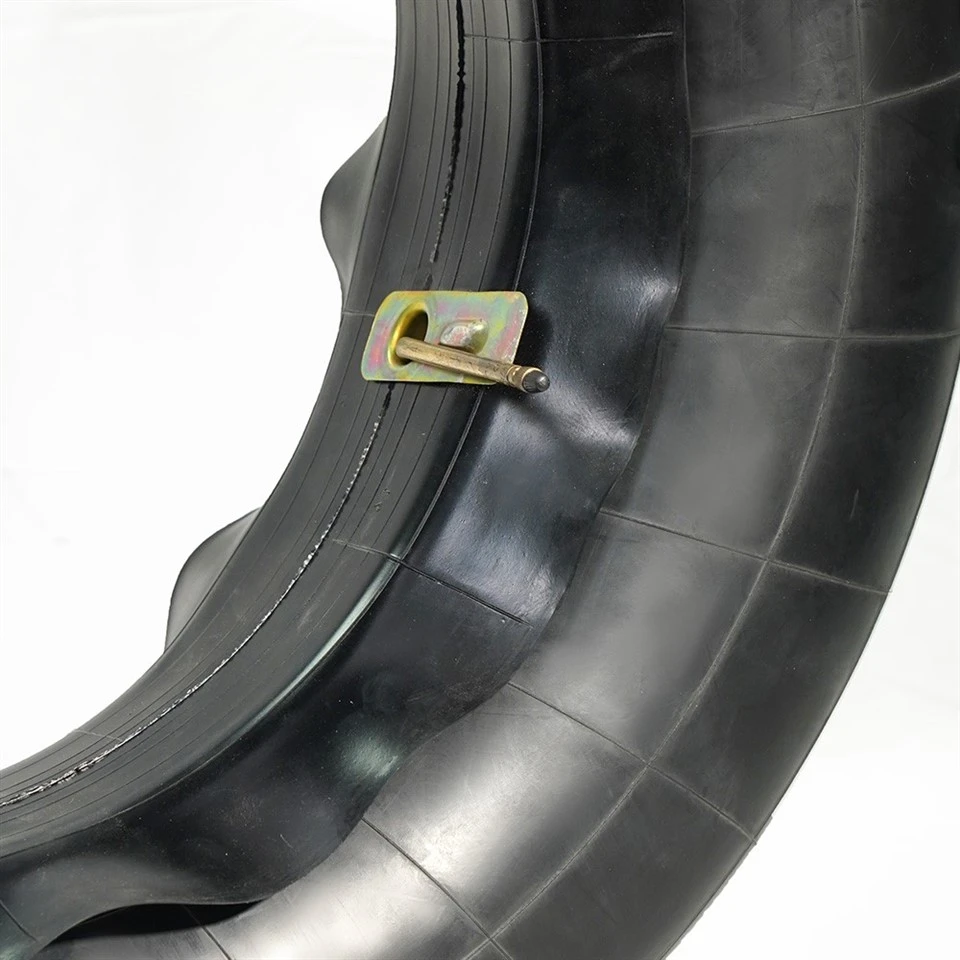
First off, let's understand what a tire flap is and why we might want to paint it. Tire flaps are those nifty pieces that protect your vehicle's tires and parts from debris, mud, and all that other gunk on the road. They come in different sizes and shapes, like the Tire Flap 1300 1400-25, 1200-20 Tire Flap, and 26.5-25 Tire Flap. Painting them can not only make them look cooler but also add an extra layer of protection.
Now, when it comes to choosing the right paint, there are a few key factors to consider.
Durability
Tire flaps are constantly exposed to harsh conditions. They get hit by rocks, splashed with water, and baked in the sun. So, you need a paint that can stand up to all this abuse. Epoxy paints are a great option here. They form a tough, protective coating that can resist scratches, chips, and corrosion. They're also chemical-resistant, which means they won't break down when they come into contact with things like oil, grease, or road salt.
Another durable option is polyurethane paint. It's known for its excellent flexibility, which is important because tire flaps can bend and flex as your vehicle moves. This flexibility helps the paint stay intact and prevents it from cracking or peeling.
Adhesion
The paint needs to stick well to the surface of the tire flap. Most tire flaps are made of rubber or a rubber-like material, and not all paints will adhere properly to this kind of surface. Before you start painting, it's a good idea to use a primer specifically designed for rubber. This will create a smooth, even surface for the paint to bond to.
Acrylic paints can also have good adhesion to rubber surfaces, especially when used with the right primer. They dry quickly and form a strong bond, which is essential for a long-lasting paint job.
Weather Resistance
Since tire flaps are outside all the time, they need to be able to withstand different weather conditions. UV rays from the sun can cause paint to fade and crack over time. Look for paints that have UV inhibitors to protect against this.
Water resistance is also crucial. You don't want the paint to wash off when it rains or when you drive through puddles. Enamel paints are often a good choice for weather resistance. They have a hard, glossy finish that repels water and helps keep the tire flap looking good for longer.
Color and Finish
Let's not forget about the aesthetic side of things. You can choose from a wide range of colors to match your vehicle or to make your tire flaps stand out. If you want a shiny, high-gloss look, enamel or polyurethane paints are your best bet. They give a smooth, reflective finish that looks really cool.
For a more matte or satin finish, acrylic paints are a great option. They have a more subtle look that can still look really stylish.
Application
The way you apply the paint is also important. You can use a brush, a roller, or a spray gun. Spraying is often the best method for a smooth, even finish, especially if you're painting a large area. However, it does require some skill and the right equipment.
If you're using a brush or a roller, make sure to apply the paint in thin, even coats. This will help prevent drips and runs and ensure a professional-looking result.
Step-by-Step Painting Process
Here's a simple step-by-step guide to painting your tire flaps:
- Clean the surface: Use a mild detergent and water to clean the tire flap thoroughly. Remove any dirt, grease, or debris. Rinse it well and let it dry completely.
- Sand the surface: Lightly sand the tire flap with fine-grit sandpaper. This will rough up the surface a bit and help the primer and paint adhere better.
- Apply the primer: Use a rubber primer and apply it according to the manufacturer's instructions. Let it dry completely.
- Paint the tire flap: Choose your paint and apply it in thin, even coats. Allow each coat to dry before applying the next one. Depending on the paint you're using, you may need to apply 2-3 coats for full coverage.
- Let it cure: After you've applied the final coat of paint, let the tire flap cure for the recommended amount of time. This will allow the paint to fully harden and reach its maximum durability.
Conclusion
So, there you have it. When it comes to painting your tire flaps, epoxy, polyurethane, enamel, and acrylic paints are all good options, depending on your specific needs. Just make sure to consider factors like durability, adhesion, weather resistance, color, and finish.
If you're in the market for high-quality tire flaps and need more advice on painting or any other aspect, feel free to reach out. We're here to help you find the perfect solution for your vehicle. Whether you're a DIY enthusiast or a professional mechanic, we've got you covered. Let's get your tire flaps looking and performing their best!
References
- "Automotive Paint Guide" - Various automotive paint manufacturers' websites
- "Painting Rubber Surfaces" - DIY automotive repair forums and blogs