

I.Material Revolution: Butyl Rubber's Dominance
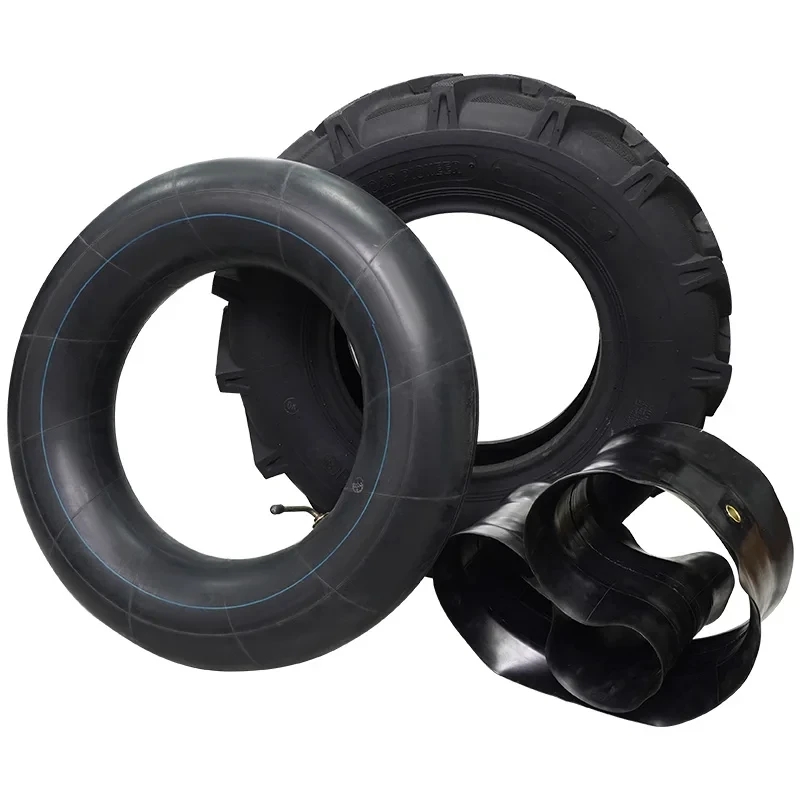
The shift from natural rubber to butyl rubber redefined performance benchmarks
Superior Sealing: Molecular density reduces gas permeability to 1/8 of natural rubber, maintaining 50% better pressure stability and lowering refill frequency.
Heat Resilience: Withstands tire cavity temperatures exceeding 80°C (30% higher tolerance than natural rubber), doubling service life by delaying autovulcanization.
Eco-Efficiency: 40% of butyl tubes now integrate recycled content, balancing performance with circular economy principles.

II.One-stop Cosmetic Tube Factory in China
Vehicle-Specific Designs
Passenger Models :
Radial-structured tubes (>90% market share) ensure millimeter-precision fit for low-pressure stability.
Specialty Vehicles:
Construction tubes feature ≥5mm sidewalls (60% tear resistance boost); off-road variants support dynamic pressure adjustment (0.5–3.5MPa) for extreme terrains.

Structural Evolution

Tube-Type Systems:
Radial tires dominate with 15% lower rolling resistance but require inner tubes.
Tubeless Advancements:
Sealant layers enable slow air loss (<10kPa/hour post-puncture), though heavy loads still necessitate tubes for reinforcement.
III. Integrated Innovation: Beyond Standalone Components
Modern tubes synchronize with tire ecosystems

Valve Revolution:
Metal-rubber hybrid stems improve sealing by 90% while embedding TPMS sensors.
Manufacturing Leap:
Single-stage vulcanization slashes defect rates from 5% to 0.3%, with Korean extrusion lines achieving ≤0.1mm thickness tolerance.
Self-Healing Frontier:
Gel-coated tubes autonomously seal ≤6mm punctures-commercially deployed in bicycle tires .
Inner tubes exemplify materials-mechanics synergy.
Butyl rubber conquered sealing challenges, radial architecture transformed load dynamics, and tubeless technology points toward integrated futures-proving this humble loop remains indispensable to land mobility!