

As a dedicated supplier of truck inner tubes, I've spent countless hours exploring the ins and outs of our products. One question that frequently arises in the industry is whether there are any additives that can improve the performance of a truck inner tube. In this blog post, I'll delve into this topic, sharing my insights based on years of experience and in - depth research.
The Basics of Truck Inner Tubes
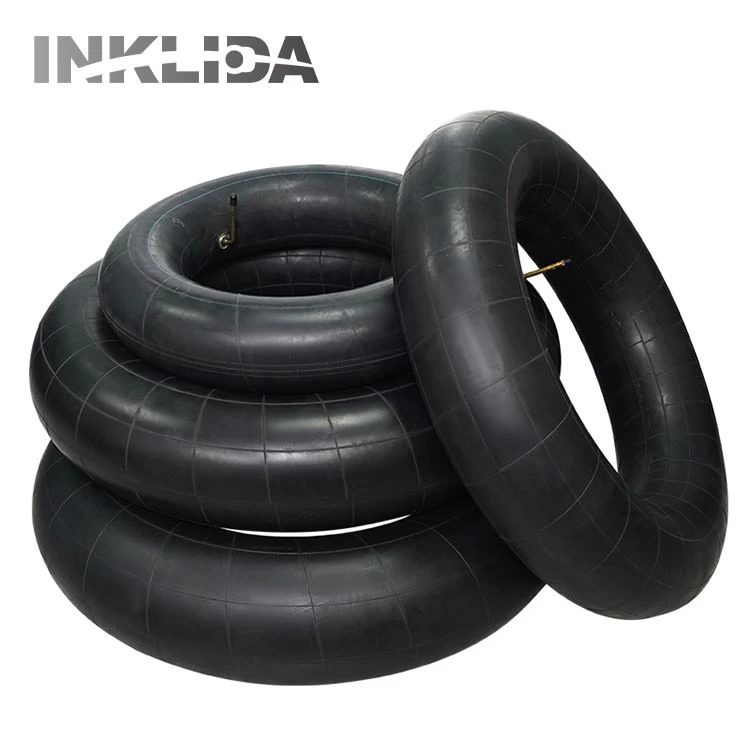
Before we discuss additives, let's briefly understand the fundamental role of a truck inner tube. Truck inner tubes are designed to hold air under pressure, providing support and cushioning for the outer tire. They are subjected to high stress, including heavy loads, high - speed operation, and varying road conditions. A well - performing inner tube is crucial for the safety and efficiency of a truck.
Additives in Truck Inner Tubes: An Overview
There are indeed several additives that can be incorporated into the manufacturing process of truck inner tubes to enhance their performance. These additives can be classified into different categories based on their functions.
1. Anti - Oxidants
Oxidation is a natural process that can cause rubber to degrade over time. When a truck inner tube is exposed to oxygen, heat, and sunlight, the rubber can become brittle, crack, and lose its elasticity. Anti - oxidants are additives that slow down this oxidation process. By incorporating anti - oxidants into the rubber compound of the inner tube, we can significantly extend its lifespan. This means fewer replacements for truck owners, which not only saves money but also reduces downtime.
2. Reinforcing Agents
Truck inner tubes need to withstand high pressure and heavy loads. Reinforcing agents such as carbon black are commonly used to improve the strength and durability of the rubber. Carbon black is a fine powder that is mixed into the rubber during the manufacturing process. It enhances the tensile strength of the inner tube, making it more resistant to punctures and tears. This is especially important for trucks that operate on rough or debris - filled roads.
3. Plasticizers
Plasticizers are additives that make the rubber more flexible and easier to process. They also improve the low - temperature performance of the inner tube. In cold weather, rubber can become stiff and lose its ability to seal properly. Plasticizers help to maintain the flexibility of the rubber, ensuring that the inner tube can function effectively even in freezing temperatures. This is crucial for trucks that operate in regions with harsh winters.
4. Anti - Ozone Agents
Ozone is a highly reactive gas that can cause rubber to crack and deteriorate. Trucks are often exposed to ozone in the atmosphere, especially in urban areas with high levels of pollution. Anti - ozone agents are added to the inner tube rubber to protect it from ozone damage. These agents form a protective layer on the surface of the rubber, preventing ozone from reacting with the rubber molecules.
Benefits of Using Additives in Truck Inner Tubes
The use of additives in truck inner tubes offers several significant benefits.
1. Improved Safety
By enhancing the strength, durability, and resistance to degradation, additives make truck inner tubes safer. A puncture or blowout of an inner tube can be extremely dangerous, especially when a truck is traveling at high speeds. Additives reduce the risk of such incidents, protecting the driver, passengers, and other road users.
2. Cost - Effectiveness
Although the use of additives may increase the initial cost of manufacturing the inner tube, it can lead to long - term cost savings. Longer - lasting inner tubes mean fewer replacements, which reduces the overall cost of ownership for truck operators. Additionally, improved performance can lead to better fuel efficiency, as a well - functioning inner tube reduces rolling resistance.
3. Enhanced Performance
Additives improve the performance of truck inner tubes in various ways. They allow the inner tube to maintain its shape and integrity under high pressure, ensuring a smooth and stable ride. The improved flexibility and low - temperature performance also mean that the inner tube can adapt to different operating conditions, making it more versatile.
Our Product Range
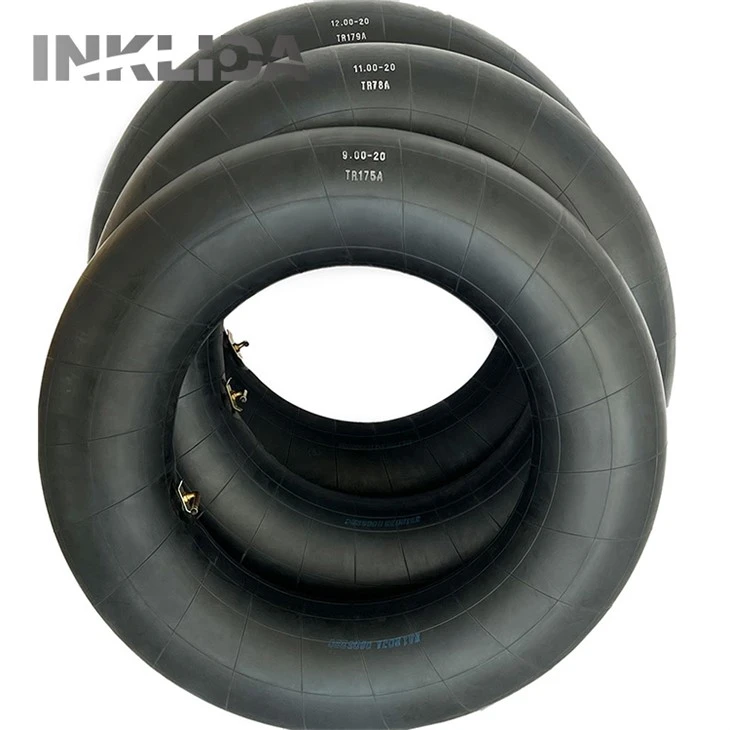
At our company, we offer a wide range of truck inner tubes that incorporate these beneficial additives. For example, our 20 Inch Truck Inner Tube is designed for trucks that require a smaller - sized inner tube. It is made with high - quality rubber and the right combination of additives to ensure optimal performance.
Our 48 Inch Truck Inner Tube is suitable for larger trucks. It is built to withstand heavy loads and high - speed operation, thanks to the reinforcing agents and anti - oxidants used in its manufacturing.
We also have a selection of Lorry Tyre Inner Tubes that are designed specifically for lorries. These inner tubes are engineered to meet the unique requirements of lorry applications, providing reliable performance and long - term durability.
Conclusion
In conclusion, there are definitely additives that can improve the performance of a truck inner tube. Anti - oxidants, reinforcing agents, plasticizers, and anti - ozone agents all play important roles in enhancing the strength, durability, and lifespan of the inner tube. By using these additives in our manufacturing process, we are able to offer high - quality truck inner tubes that provide better safety, cost - effectiveness, and performance.
If you are in the market for truck inner tubes, we invite you to contact us for a detailed discussion about your specific needs. Our team of experts is ready to assist you in finding the right inner tube solution for your trucks. Whether you operate a small fleet or a large - scale transportation business, we have the products and knowledge to meet your requirements.
References
- "The Science of Rubber Compounding" by John W. S. Hearle
- "Tire and Rubber Technology Handbook" edited by Y. K. Gupta