

Hey there! I'm in the business of supplying truck and bus tire flaps, and I've been getting a lot of questions lately about how these tire flaps interact with a vehicle's suspension. So, I thought I'd break it down and share some insights with you all.
First off, let's talk about what tire flaps are and what they do. Tire flaps are those pieces of rubber or other materials that hang down behind the tires of trucks and buses. They're not just for looks, they actually serve some pretty important functions. They help to protect the vehicle from mud, rocks, and other debris that can be kicked up by the tires. This not only keeps the vehicle cleaner but also helps to prevent damage to the paint, bodywork, and other components.
Now, let's get into how they interact with the vehicle's suspension. The suspension system of a truck or bus is responsible for providing a smooth ride, handling the weight of the vehicle and its load, and keeping the tires in contact with the road. It's a complex system that includes springs, shock absorbers, and other components.
When a vehicle is moving, the tires are constantly hitting bumps, potholes, and other irregularities on the road. These impacts are transferred through the tires to the suspension system. The suspension then works to absorb and dampen these shocks, so the passengers inside the vehicle don't feel every little bump.
Tire flaps can have an impact on this process in a few different ways. For one, they add a bit of extra weight to the vehicle. While this weight is relatively small compared to the overall weight of the truck or bus, it can still affect the performance of the suspension. The extra weight can cause the springs to compress a bit more, which might change the ride height of the vehicle slightly. This could potentially affect the handling and stability of the vehicle, especially at high speeds or when making sharp turns.
Another way tire flaps interact with the suspension is through the forces they generate. As the vehicle moves, the tire flaps are constantly being buffeted by the wind and the air flowing around the vehicle. This can create a drag force, which is essentially a resistance to the vehicle's forward motion. The drag force can cause the vehicle to use a bit more fuel, but it can also have an impact on the suspension. The force exerted by the tire flaps can cause additional stress on the suspension components, especially the shock absorbers. The shock absorbers are designed to handle the vertical forces generated by the bumps on the road, but the horizontal forces from the drag can add an extra layer of complexity.
However, it's not all bad news. In some cases, tire flaps can actually help to improve the performance of the suspension. For example, they can act as a kind of wind deflector, redirecting the airflow around the tires and reducing the turbulence. This can help to reduce the aerodynamic drag on the vehicle, which in turn can improve fuel efficiency. And by reducing the turbulence around the tires, the tire flaps can also help to keep the tires cooler, which can extend their lifespan.
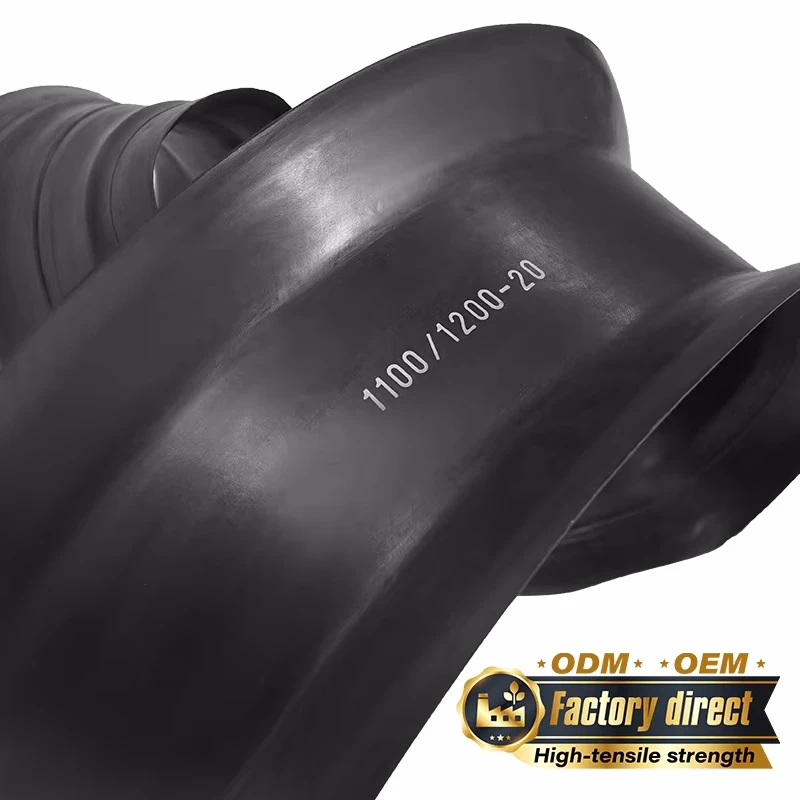
Now, let's talk about the different types of tire flaps available. As a supplier, I offer a range of options, including Truck Tyre Flap. These are designed specifically for trucks and are made from high-quality materials that are durable and resistant to wear and tear. They come in different sizes and styles to fit different types of trucks and buses.
We also have 24 Inch Truck Tire Inner Tube Protector. This is a specialized type of tire flap that is designed to protect the inner tube of the tire. It helps to prevent punctures and other damage to the inner tube, which can extend the life of the tire and save you money in the long run.
And then there's the Inner Tube Protector. This is a more general-purpose tire flap that can be used on a variety of vehicles. It's made from a tough, flexible material that provides excellent protection for the inner tube.
So, how do you choose the right tire flaps for your vehicle? Well, it depends on a few factors. First, you need to consider the size and type of your vehicle. Different vehicles require different sizes and styles of tire flaps. You also need to think about the conditions in which you'll be driving. If you're driving on rough, muddy roads, you'll need a more durable and heavy-duty tire flap. If you're driving on highways most of the time, you might be able to get away with a lighter, more aerodynamic tire flap.
It's also important to consider the quality of the tire flaps. Cheaper, low-quality tire flaps might save you money upfront, but they're likely to wear out quickly and might not provide the same level of protection as higher-quality flaps. At our company, we pride ourselves on offering high-quality tire flaps that are built to last.
In conclusion, tire flaps and a vehicle's suspension are closely related. While tire flaps can have both positive and negative impacts on the suspension, with the right choice of tire flaps, you can minimize the negative effects and even improve the performance of your vehicle.
If you're in the market for truck and bus tire flaps, I'd love to help you find the right ones for your needs. Whether you're looking for Truck Tyre Flap, 24 Inch Truck Tire Inner Tube Protector, or Inner Tube Protector, we've got you covered. Just reach out, and we can start discussing your options and getting you the best tire flaps for your vehicle.

References:
- Automotive Engineering Handbook
- Vehicle Dynamics and Control by Rajesh Rajamani
- Tire and Vehicle Dynamics by Hans Pacejka