

As a seasoned supplier of inner tubes for truck tires, I've encountered a wide range of issues with these essential components. Inner tubes play a crucial role in maintaining the integrity and performance of truck tires, but they can face several problems over time. In this blog post, I'll share my insights on how to troubleshoot common problems with inner tubes in truck tires.
Understanding the Basics of Inner Tubes
Before diving into troubleshooting, it's important to understand the basic structure and function of an inner tube. An inner tube is a rubber bladder that fits inside a tire and holds the air pressure. It provides a seal between the tire and the rim, allowing the tire to maintain its shape and support the weight of the truck. Inner tubes come in various sizes and specifications to fit different types of truck tires, such as Truck Inner Tube 12.00, 7.50r16 Inner Tube For Truck Tire, and 1400R20 Inner Tube For Heavy Truck Tire.
Common Problems and Troubleshooting Steps
1. Slow Leak
A slow leak is one of the most common problems with inner tubes. It can be caused by a variety of factors, including small punctures, valve stem issues, or damage to the inner tube itself.

- Inspect the Tire and Inner Tube: Start by removing the tire from the rim and carefully inspecting the inner tube for any visible signs of damage, such as holes, cuts, or abrasions. Check the valve stem for leaks by applying a soapy water solution to the valve and looking for bubbles.
- Locate the Leak: If you can't find the leak visually, you can submerge the inner tube in a tank of water and look for bubbles. Make sure to rotate the inner tube slowly to ensure that all areas are checked.
- Repair the Leak: Once you've located the leak, you can repair it using a patch kit. Clean the area around the leak with a sandpaper or a cleaner to remove any dirt or debris. Apply the patch according to the manufacturer's instructions, making sure to press it firmly to ensure a good seal.
2. Rapid Deflation
Rapid deflation is a more serious problem that can occur suddenly and cause a loss of control of the vehicle. It is usually caused by a large puncture or a blowout of the inner tube.
- Stop the Vehicle Safely: If you experience rapid deflation while driving, it's important to stop the vehicle safely as soon as possible. Pull over to the side of the road and turn on your hazard lights.
- Inspect the Tire and Inner Tube: Remove the tire from the rim and inspect the inner tube for any signs of damage. Look for large holes, tears, or other visible signs of a blowout.
- Replace the Inner Tube: In most cases, a blown inner tube will need to be replaced. Make sure to choose a replacement inner tube that is the correct size and specification for your truck tire.
3. Valve Stem Issues
The valve stem is a small but important component of the inner tube that allows you to inflate and deflate the tire. Valve stem issues can cause leaks, slow inflation, or other problems.
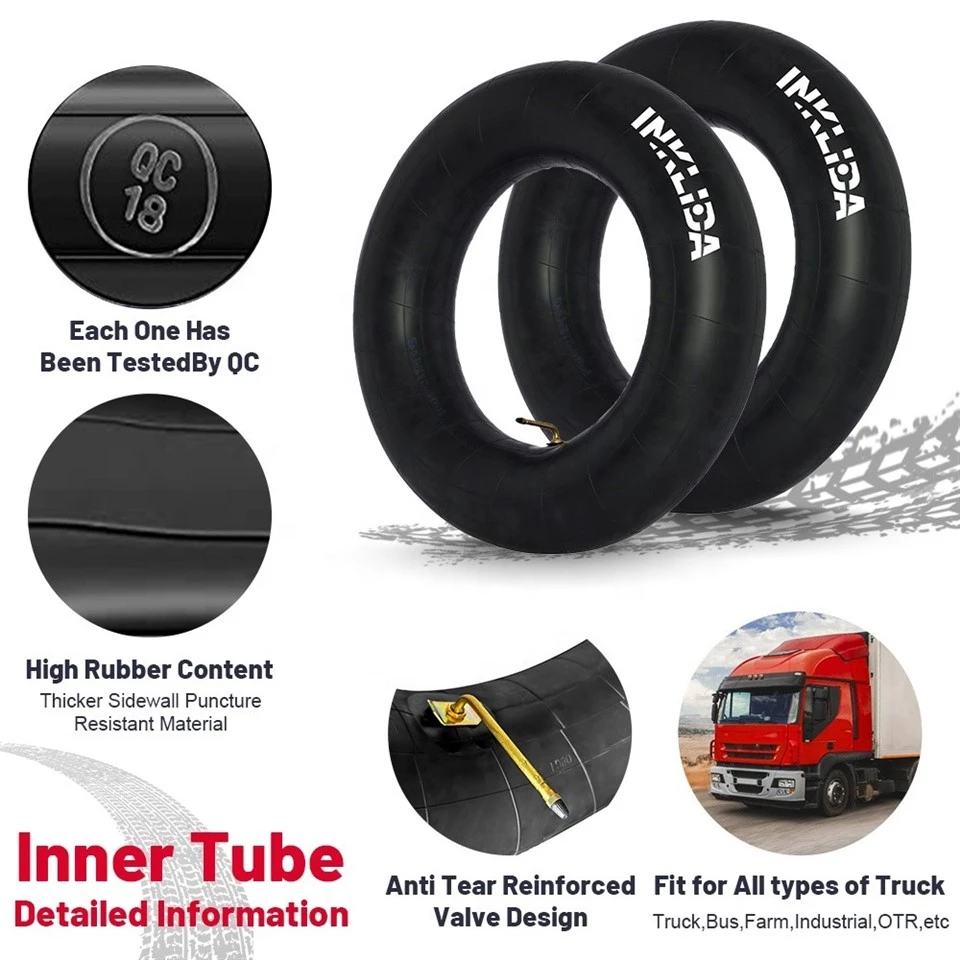
- Inspect the Valve Stem: Check the valve stem for any signs of damage, such as cracks, leaks, or loose caps. Make sure the valve stem is properly seated in the rim and that the valve cap is tightened securely.
- Replace the Valve Stem: If the valve stem is damaged or leaking, it will need to be replaced. You can purchase a replacement valve stem at most auto parts stores. To replace the valve stem, you'll need to remove the inner tube from the tire and carefully remove the old valve stem. Install the new valve stem according to the manufacturer's instructions.
4. Inner Tube Damage from the Rim
The rim of the tire can sometimes cause damage to the inner tube, especially if the rim is damaged or if the inner tube is not properly installed.
- Inspect the Rim: Check the rim for any signs of damage, such as cracks, dents, or sharp edges. If the rim is damaged, it will need to be repaired or replaced.
- Proper Installation: Make sure the inner tube is properly installed in the tire and that it is not pinched or twisted. Follow the manufacturer's instructions for installing the inner tube and make sure to use the correct size and type of inner tube for your tire.
Preventive Maintenance
Preventive maintenance is key to avoiding problems with inner tubes in truck tires. Here are some tips to help you keep your inner tubes in good condition:
- Regular Inspections: Inspect your inner tubes regularly for any signs of damage or wear. Check the valve stem, the inner tube itself, and the tire for any visible signs of problems.
- Proper Inflation: Make sure your tires are properly inflated to the recommended pressure. Underinflated tires can cause the inner tube to flex and wear more quickly, while overinflated tires can cause the inner tube to burst.
- Avoid Overloading: Do not overload your truck or trailer beyond the recommended weight capacity. Overloading can put extra stress on the tires and inner tubes, increasing the risk of damage.
- Use Quality Inner Tubes: Invest in high-quality inner tubes from a reputable supplier. Quality inner tubes are made from better materials and are less likely to develop problems.
Conclusion
Troubleshooting problems with inner tubes in truck tires requires a combination of knowledge, experience, and the right tools. By understanding the common problems and following the troubleshooting steps outlined in this blog post, you can keep your inner tubes in good condition and avoid costly breakdowns. Remember to perform regular preventive maintenance and to use quality inner tubes to ensure the safety and reliability of your truck.
If you're in the market for high-quality inner tubes for your truck tires, we're here to help. We offer a wide range of inner tubes, including Truck Inner Tube 12.00, 7.50r16 Inner Tube For Truck Tire, and 1400R20 Inner Tube For Heavy Truck Tire. Contact us today to discuss your needs and start a procurement negotiation.
References
- "Tire and Inner Tube Maintenance Guide" - Various automotive industry publications
- Manufacturer's manuals for truck tires and inner tubes