

The weight of a motorcycle is a crucial factor that significantly influences tire selection. As a seasoned motorcycle tire supplier, I've witnessed firsthand how the right tire choice can enhance performance, safety, and overall riding experience. In this blog, we'll delve into the intricate relationship between motorcycle weight and tire selection, exploring the key considerations and implications for riders.
Understanding the Basics: Motorcycle Weight and Tire Load Capacity
At the heart of tire selection lies the concept of load capacity. Every tire is designed to support a specific maximum weight, known as the load index. This index is typically indicated on the tire sidewall, along with other important information such as tire size, speed rating, and inflation pressure.
When choosing tires for a motorcycle, it's essential to ensure that the load capacity of the tires meets or exceeds the combined weight of the motorcycle, rider, passenger (if applicable), and any additional cargo. Overloading a tire can lead to excessive heat buildup, premature wear, and even tire failure, posing a serious safety risk.
For example, a lightweight sportbike may have a relatively low weight, requiring tires with a lower load index. On the other hand, a heavy touring motorcycle or a motorcycle used for carrying heavy loads may require tires with a higher load index to ensure safe and reliable operation.
Impact of Motorcycle Weight on Tire Performance
In addition to load capacity, the weight of a motorcycle can also have a significant impact on tire performance. Here are some key areas where motorcycle weight plays a crucial role:

Traction and Grip
The weight of a motorcycle affects the amount of force pressing the tires against the road surface. A heavier motorcycle generally exerts more force, resulting in increased traction and grip. This can be particularly beneficial in wet or slippery conditions, where maintaining traction is essential for safe riding.
However, it's important to note that excessive weight can also have a negative impact on traction. If the tires are unable to handle the weight of the motorcycle, they may experience excessive slip or skidding, especially during acceleration, braking, or cornering.
Handling and Stability
The weight distribution of a motorcycle also plays a crucial role in handling and stability. A well-balanced motorcycle with a proper weight distribution is easier to control and maneuver, providing a more stable and comfortable riding experience.
When choosing tires for a motorcycle, it's important to consider the weight distribution of the motorcycle and select tires that are suitable for its specific handling characteristics. For example, a motorcycle with a front-heavy weight distribution may require tires with a higher load capacity on the front axle to ensure optimal handling and stability.
Tire Wear
The weight of a motorcycle can also affect tire wear. A heavier motorcycle generally puts more stress on the tires, resulting in faster wear and tear. This is especially true for tires that are not properly inflated or maintained, as they are more likely to experience uneven wear and premature failure.
To minimize tire wear and extend the lifespan of your tires, it's important to choose tires that are suitable for the weight of your motorcycle and to follow the manufacturer's recommended maintenance guidelines, including regular tire rotations, proper inflation, and alignment checks.
Factors to Consider When Selecting Tires Based on Motorcycle Weight
When selecting tires for a motorcycle, there are several factors to consider in addition to load capacity and performance. Here are some key factors to keep in mind:
Riding Style
Your riding style can also influence tire selection. If you're a aggressive rider who enjoys high-speed cornering and frequent acceleration and braking, you may require tires with a higher performance rating to ensure optimal grip and handling. On the other hand, if you're a more casual rider who primarily uses your motorcycle for commuting or touring, you may be able to get away with tires that offer a more balanced combination of performance and durability.
Road Conditions
The type of road conditions you typically ride on can also affect tire selection. If you frequently ride on wet or slippery roads, you may require tires with a higher level of wet traction to ensure safe riding. On the other hand, if you primarily ride on dry, smooth roads, you may be able to choose tires that offer a higher level of performance and durability.
Tire Size
The size of your motorcycle's tires is also an important consideration when selecting tires. It's important to choose tires that are the correct size for your motorcycle, as using tires that are too small or too large can affect handling, performance, and safety.
Tire Brand and Quality
Finally, it's important to choose tires from a reputable brand that offers high-quality products. A good tire brand will have a proven track record of reliability and performance, and will offer a range of tires to suit different motorcycle models and riding styles.
Recommended Tires for Different Motorcycle Weights
As a motorcycle tire supplier, we offer a wide range of tires to suit different motorcycle weights and riding styles. Here are some recommended tires for different motorcycle weights:
Lightweight Motorcycles (up to 300 kg)
For lightweight motorcycles, we recommend the 17inch Electric Motorcycle Tubeless Tyre. These tires are designed to provide a balanced combination of performance, durability, and affordability, making them ideal for commuting, touring, and light off-road riding.
Medium-Weight Motorcycles (300 - 500 kg)
For medium-weight motorcycles, we recommend the Classic Motorcycle Tire. These tires are designed to provide a high level of performance and durability, making them ideal for sportbikes, cruisers, and touring motorcycles.
Heavyweight Motorcycles (over 500 kg)
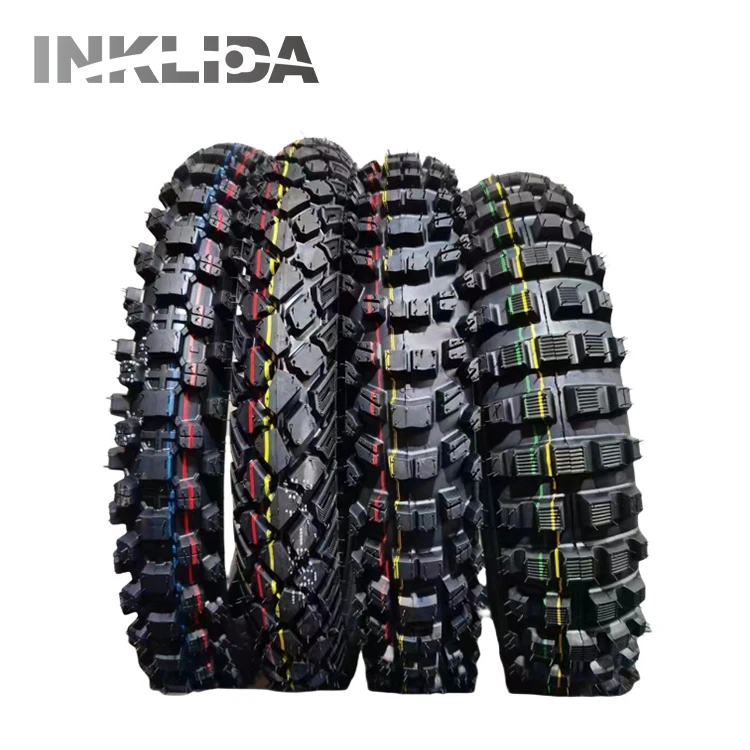
For heavyweight motorcycles, we recommend the Off Road Motorcycle Tyre. These tires are designed to provide a high level of traction and durability, making them ideal for adventure motorcycles, touring motorcycles, and heavy-duty off-road motorcycles.
Conclusion
In conclusion, the weight of a motorcycle is a crucial factor that significantly influences tire selection. When choosing tires for your motorcycle, it's important to consider the load capacity, performance, and durability of the tires, as well as your riding style, road conditions, and tire size. By selecting the right tires for your motorcycle, you can enhance performance, safety, and overall riding experience.
If you have any questions or need help selecting the right tires for your motorcycle, please don't hesitate to contact us. We're a leading motorcycle tire supplier, and we're committed to providing our customers with the highest quality products and services. We look forward to hearing from you and helping you find the perfect tires for your motorcycle.
References
- Tire Industry Association. (2023). Tire Load and Inflation Tables.
- Motorcycle Safety Foundation. (2023). Motorcycle Maintenance and Inspection.
- Michelin. (2023). Motorcycle Tire Selection Guide.