

Hey there, fellow tire enthusiasts! As a supplier of tire inner tubes, I've seen my fair share of tire - related issues. One common problem that many people face is an unbalanced tire, especially when they've just installed a new inner tube. Today, I'm gonna walk you through the process of how to balance a tire with a new inner tube.
First things first, let's understand why tire balancing is so important. When a tire is unbalanced, it can lead to a whole bunch of problems. You might notice vibrations in your steering wheel, uneven tire wear, and even reduced fuel efficiency. Over time, these issues can add up and cost you a lot more money in the long run. So, it's definitely worth taking the time to balance your tires properly.
Step 1: Gather Your Tools
Before you start the balancing process, you'll need to gather a few tools. You'll need a tire balancing stand, a set of weights, a valve stem tool, and a torque wrench. If you don't have a tire balancing stand, you can usually rent one from an auto parts store. The weights come in different sizes and are used to correct the imbalance in the tire. The valve stem tool is used to remove and install the valve stem, and the torque wrench is used to tighten the lug nuts to the correct specification.
Step 2: Remove the Tire
Now that you have your tools ready, it's time to remove the tire from the vehicle. Make sure you've parked your vehicle on a flat, level surface and engaged the parking brake. Use the jack to lift the vehicle off the ground and place jack stands under the vehicle for safety. Then, use the lug wrench to remove the lug nuts and take the tire off the wheel hub.
Step 3: Inspect the New Inner Tube
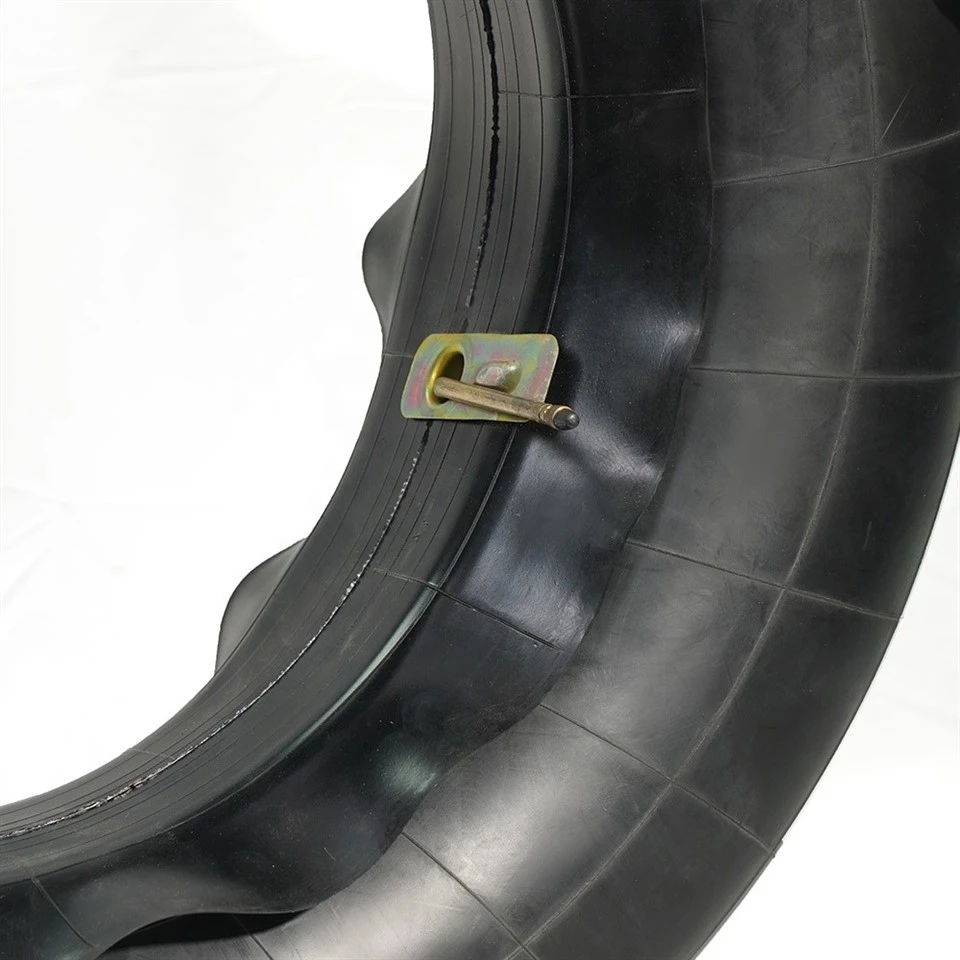
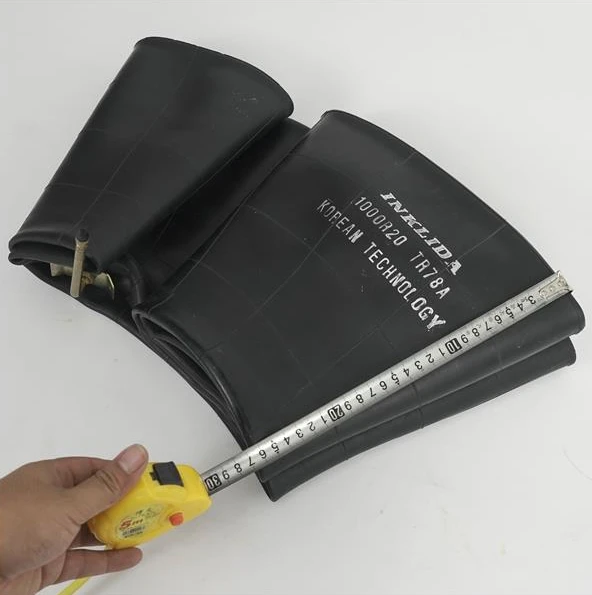
Once you have the tire off, take a good look at the new inner tube. Make sure there are no visible damages, such as cuts or punctures. Also, check the valve stem to ensure it's in good condition. If you find any issues with the inner tube, don't use it. Instead, contact your inner tube supplier (like me!) to get a replacement. You can check out our Semi Truck Tire Inner Tube for high - quality options.
Step 4: Install the New Inner Tube
Now, it's time to install the new inner tube. First, deflate the old inner tube completely and remove it from the tire. Clean the inside of the tire to remove any dirt or debris. Then, insert the new inner tube into the tire, making sure the valve stem is centered in the valve stem hole of the wheel. Use the valve stem tool to install the valve stem and tighten it securely.
Step 5: Mount the Tire on the Balancing Stand
After the new inner tube is installed, mount the tire on the balancing stand. Make sure the tire is centered properly on the stand. The balancing stand will allow the tire to rotate freely so you can identify the areas of imbalance.
Step 6: Identify the Imbalance
Once the tire is on the balancing stand, spin it by hand. As the tire rotates, you'll notice that it may wobble or vibrate. This indicates an imbalance. The heavier side of the tire will tend to drop down, while the lighter side will rise up. You can also use a tire balancing machine if you have one. These machines can accurately measure the amount and location of the imbalance.
Step 7: Add Weights
Based on the results of your imbalance test, it's time to add weights to the wheel. Start by adding small weights to the lighter side of the wheel. You can use adhesive weights or clip - on weights, depending on the type of wheel you have. Place the weights as close to the outer edge of the wheel as possible for maximum effectiveness. After adding the weights, spin the tire again to see if the imbalance has been corrected. Keep adding or adjusting the weights until the tire spins smoothly without any wobbling or vibration.
Step 8: Re - install the Tire
Once the tire is balanced, it's time to re - install it on the vehicle. Place the tire back on the wheel hub and hand - tighten the lug nuts. Then, use the torque wrench to tighten the lug nuts to the manufacturer's recommended torque specification. This is important to ensure the tire is securely attached to the vehicle and to prevent the lug nuts from coming loose while you're driving.
Step 9: Check the Tire Pressure
After re - installing the tire, check the tire pressure. Use a tire pressure gauge to measure the pressure in the tire and adjust it to the recommended level. Proper tire pressure is crucial for the performance and safety of your vehicle. It also helps to maintain the balance of the tire.
Step 10: Test Drive
Finally, take your vehicle for a test drive. Pay attention to how the vehicle feels while driving. If you still notice any vibrations or uneven handling, you may need to re - check the tire balance. Sometimes, it may take a few adjustments to get the balance just right.
In addition to the standard inner tubes, we also offer some great accessories. For example, our Rubber Flap 26.5 - 25 and Tire Inner Tube 12r20 Flap are designed to work perfectly with our inner tubes and can enhance the overall performance of your tires.
Balancing a tire with a new inner tube may seem like a complicated process, but with the right tools and a little patience, you can do it yourself. If you have any questions or need help with choosing the right inner tube for your vehicle, don't hesitate to reach out. We're here to assist you with all your tire inner tube needs. Whether you're a professional mechanic or a DIY enthusiast, we've got the products and knowledge to support you. So, if you're looking to purchase high - quality tire inner tubes and related accessories, contact us for more information and let's start a great business relationship!
References
- "Automotive Tire Service Manual"
- "Tire Balancing Basics" by a leading automotive magazine