

As a seasoned tire inner tube supplier, I've witnessed firsthand how the summer season brings unique challenges and considerations for using tire inner tubes. In this blog post, I'll delve into the special factors you need to keep in mind when using tire inner tubes during the hot summer months.
Temperature and Pressure Fluctuations
One of the most significant challenges in summer is the impact of high temperatures on tire pressure. As the mercury rises, the air inside the tire inner tube expands, leading to an increase in tire pressure. According to the ideal gas law, the pressure of a gas is directly proportional to its temperature when the volume is constant. This means that for every 10°F increase in temperature, the tire pressure can rise by approximately 1 - 2 psi.
Excessive tire pressure can have several negative consequences. It reduces the tire's contact area with the road, which can lead to uneven tire wear. The center of the tire will bear more of the load, causing it to wear out faster than the edges. Moreover, high - pressure tires are more prone to blowouts, especially when driving at high speeds for extended periods. The increased stress on the tire sidewalls can cause them to fail suddenly, posing a serious safety risk.
To mitigate these risks, it's crucial to regularly check your tire pressure. You should do this at least once a week, preferably in the morning when the tires are cold. Use a reliable tire pressure gauge to ensure accurate readings. If the pressure is too high, release some air until it reaches the recommended level specified by the vehicle manufacturer.

Heat Resistance of Inner Tubes
The material of the tire inner tube plays a vital role in its performance during summer. Different types of rubber compounds have varying degrees of heat resistance. Butyl rubber inner tubes are a popular choice for summer use because they have excellent heat - resistant properties. Butyl rubber has a low permeability to air, which means it can better maintain the tire pressure even under high temperatures.
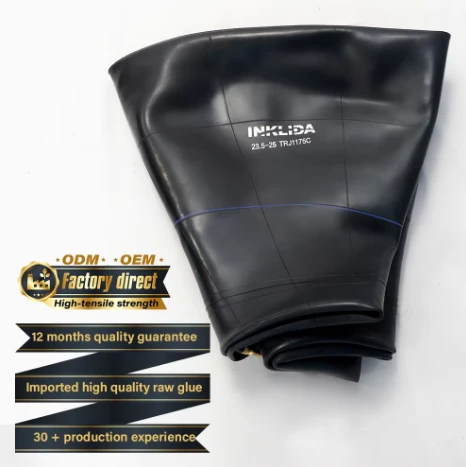
Our Otr Butyl Rubber Inner Tube 23.5 - 25 is specifically designed to withstand the rigors of summer driving. The high - quality butyl rubber compound used in its construction can resist the heat generated by friction between the tire and the road, as well as the heat from the sun. This helps to prevent the inner tube from deteriorating prematurely, ensuring a longer lifespan and better performance.
UV Exposure
Summer also means more exposure to ultraviolet (UV) rays from the sun. UV rays can cause the rubber in tire inner tubes to degrade over time. The UV radiation breaks down the chemical bonds in the rubber, making it brittle and less elastic. This can lead to cracks and leaks in the inner tube, reducing its effectiveness and safety.
To protect your tire inner tubes from UV damage, you can take several precautions. If your vehicle is parked outdoors for long periods, consider using tire covers. These covers are made of materials that block UV rays and can significantly extend the life of your inner tubes. Additionally, storing spare inner tubes in a cool, dark place away from direct sunlight can also prevent UV - related damage.
Driving Conditions
In summer, driving conditions can be quite different from other seasons. The roads are often busier with holiday traffic, and many people take long - distance road trips. This means that tires are subjected to more stress and wear. For example, driving on hot asphalt can cause the tires to heat up even more, increasing the risk of tire failure.
When driving in summer, it's important to adjust your driving habits. Avoid sudden acceleration and braking, as these actions can generate a lot of heat in the tires. Instead, drive smoothly and maintain a consistent speed. If you're going on a long trip, plan for regular breaks to allow your tires to cool down.
Moisture and Humidity
Summer is also associated with higher levels of moisture and humidity in many regions. Moisture can seep into the tire and cause corrosion of the inner tube and the tire rim. This can lead to air leaks and other problems.
To prevent moisture - related issues, make sure your tires are properly sealed. Check the valve stems regularly for any signs of damage or leaks. If you notice any moisture inside the tire, it may be a sign of a problem with the tire seal or the valve stem. In such cases, it's best to have the tire inspected by a professional.
Compatibility with Different Tire Types
Not all tire inner tubes are suitable for every type of tire. In summer, it's important to ensure that the inner tube you're using is compatible with your tire. For example, truck tires have different requirements compared to passenger car tires.
Our 750 - 16 Truck Tire Inner Tube is designed specifically for truck applications. It has the right size and strength to handle the heavy loads and high - speed driving associated with trucks. Similarly, our Tire Inner Tube 12r20 Flap is tailored for tires with a 12r20 specification. Using the correct inner tube for your tire type ensures optimal performance and safety, especially during the demanding summer driving conditions.
Storage of Inner Tubes
If you have spare tire inner tubes, proper storage during summer is essential. As mentioned earlier, keep them away from direct sunlight and high - temperature areas. Store them in a cool, dry place with good ventilation. You can also hang them on a rack or place them in a storage box to prevent them from being deformed or damaged.
Conclusion
Using tire inner tubes in summer requires special considerations to ensure safety and performance. From monitoring tire pressure due to temperature fluctuations, choosing heat - resistant inner tubes, protecting against UV exposure, adapting to driving conditions, dealing with moisture, ensuring compatibility, and proper storage, every aspect plays a crucial role.
As a tire inner tube supplier, we are committed to providing high - quality products that meet the unique needs of summer driving. If you're in the market for reliable tire inner tubes, we invite you to reach out to us for more information and to discuss your specific requirements. Our team of experts is ready to assist you in finding the right inner tubes for your vehicles.
References
- "The Physics of Tires" - Tire Technology International
- "Rubber Compounds and Their Properties" - Rubber Manufacturers Association
- "Summer Driving Tips" - National Highway Traffic Safety Administration